
Zimbabwe stands at the threshold of robust economic expansion, offering diverse and lucrative investment opportunities. With a projected 6% growth rate in 2025, the country has positioned itself as one of Southern Africa’s fastest-growing economies. In addition, abundant natural resources, a skilled workforce, and government-led reforms have fueled investor confidence. Below, we explore 10 dynamic sectors poised for significant returns in Zimbabwe’s evolving landscape.
1. Mining Sector
Vast Mineral Wealth
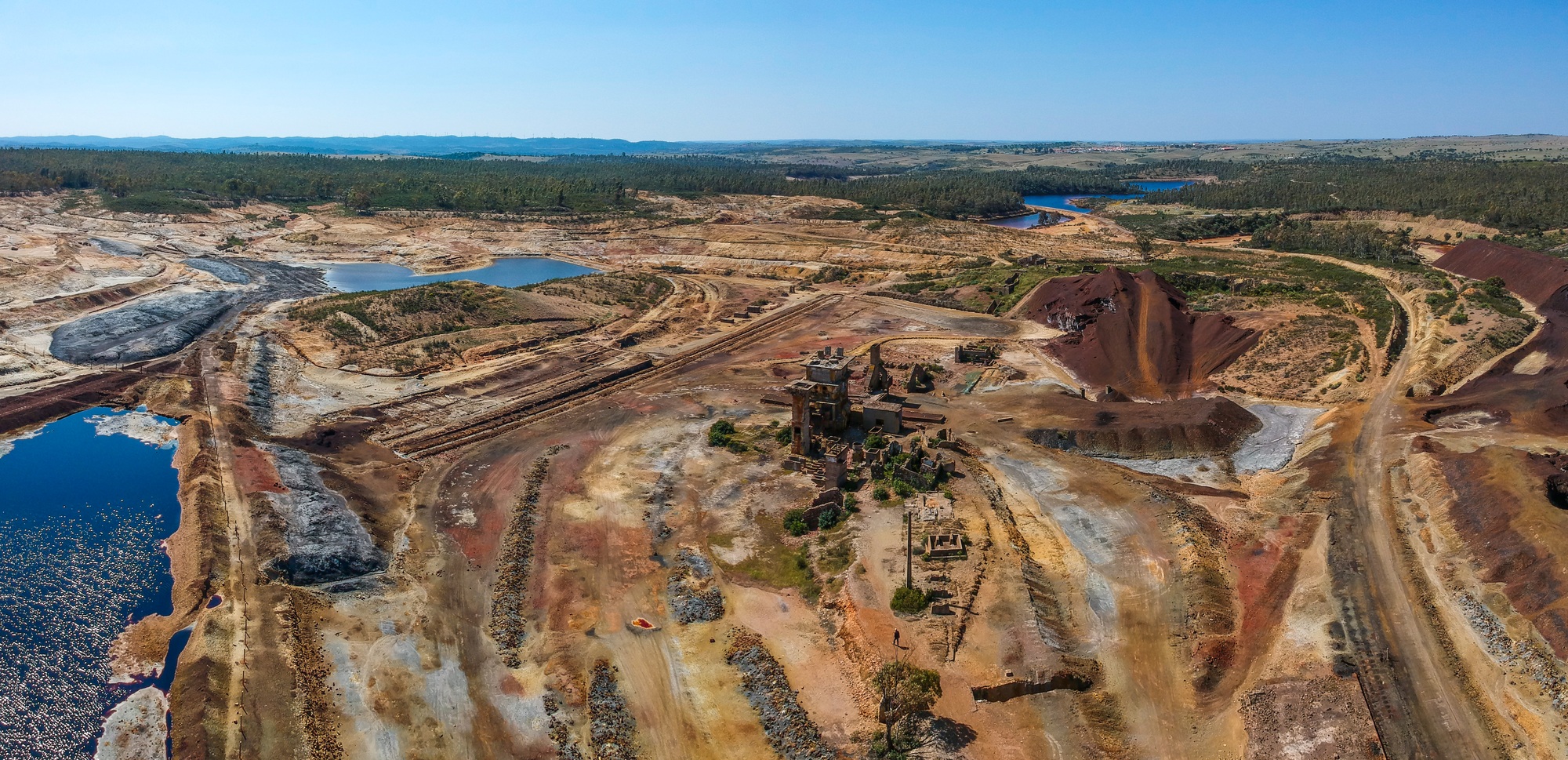
Zimbabwe’s mining industry already contributes over 13% to GDP and generates over 60% of the country’s foreign currency. The nation boasts gold, platinum, diamonds, coal, nickel, and 17 Rare Earth Elements (REEs). Moreover, the Great Dyke—spanning roughly 550 km—contains the largest high-grade chromite resource base globally and the second-largest platinum group metals reserves.
Soaring Demand for Energy Transition Minerals
The country has noteworthy lithium reserves, sufficient to supply up to 25% of global lithium demand by 2026. Since lithium powers renewable energy storage solutions and electric vehicles, investors can expect rising demand.
Major Projects
Developments such as the US$1.5 billion Manhize Steel Plant are shaping the industrial sector. Opportunities for investment extend to mineral extraction, processing plants, and mining equipment manufacturing.
2. Agricultural Sector
Agriculture underpins Zimbabwe’s economy, employing about 70% of the workforce and contributing around 13.2% to GDP. Government estimates predict the sector will expand to a US$13.75 billion industry by 2025, up from US$9.9 billion in 2022.
Key Areas for Investors
Lucrative avenues include irrigation rehabilitation, livestock development, agro-processing, and value addition (for example, meat processing, tobacco processing, fruit canning, and more). Contract farming also promises stable returns.
Favorable Climatic Conditions
Zimbabwe has six agricultural regions, each defined by different rainfall patterns. This diversity supports various crops and livestock activities. Notably, the sector is forecast to grow by 13% in 2025.
3. Renewable Energy Sector
Significant Supply-Demand Gap
Zimbabwe’s power deficit sits at around 30%, with demand nearing 4,000 MW annually yet actual generation approximating 1,500 MW. This shortfall opens the door for power generation ventures.
Abundant Renewable Resources
The country’s renewable capacity includes:
- Solar irradiation of 16–20 MJ/m²
- Wind power potential of 39 GW
- Hydropower along the Zambezi River of 5 GW
- Smaller internal hydro projects totaling 150 MW
- Geothermal potential of 50 MW
Government Targets
By 2030, authorities aim for 2,100 MW of renewable energy capacity, or about 26.5% of total generation. As a result, the energy sector anticipates 11% growth in 2025.
4. Tourism Sector
World-Class Attractions
Tourism in Zimbabwe is thriving, aided by iconic sites such as Victoria Falls, Hwange National Park, Eastern Highlands, and Lake Kariba. Thanks to these natural marvels, the sector contributed roughly 12% to GDP in recent months.
Infrastructure Investments
Significant gaps exist in hotel developments, international convention centers, hunting safaris, and tour operations. These areas present lucrative openings for investors aiming to tap into Zimbabwe’s rising global appeal.
Growth Outlook
Forecasted growth of 4% in 2025 reflects the sector’s resilience. Zimbabwe’s stable environment and pleasant climate have kept the tourism industry on a positive path.
5. Manufacturing Sector
Diverse Industries
From food processing to chemicals, textiles, and metals, Zimbabwe’s manufacturing sphere contributes about 13% to GDP. Investors can help revive aging facilities or establish new factories, particularly in cotton, tobacco, and wood processing.
Export Incentives
Companies that export at least 50% of their output enjoy a reduced 20% corporate tax rate. This policy supports export-oriented enterprises seeking to penetrate regional and international markets. Analysts expect the manufacturing sector to grow by 3% in 2025.
6. Infrastructure Development
Key Transportation Networks
Zimbabwe’s strategic location within the Southern African Development Community (SADC) region makes it an ideal transit hub. Investment is needed to upgrade airports, refurbish railway lines, and construct modern highways.
Water and Energy Projects
Opportunities also lie in dam construction, water and sewer systems, and electricity distribution. Projects like the Gokwe North Thermal Power Station and Gwayi Thermal Power Station underscore the scope for large-scale infrastructure ventures.
Public-Private Partnerships
PPP arrangements enable investors to engage in development projects while leveraging government support. These collaborations often streamline financing, risk management, and operational efficiencies.
7. Information and Communication Technology
Rapid Digital Adoption
Zimbabwe recorded 5.48 million internet users by early 2024, with mobile subscriptions exceeding 14.97 million. This surge, coupled with digital transformation across industries, sets the stage for growth in ICT services.
Opportunities in Tech Services
Businesses across Zimbabwe require everything from software solutions to digital marketing and SEO services. The local tech ecosystem provides competitive advantages, including lower operating costs and access to skilled talent.
Strong Growth Projections
By 2025, the ICT sector could expand by 10%. Rising internet penetration and rapid innovation drive this upward trend, creating vibrant prospects for investors.
8. Real Estate and Construction
Housing Demand
Zimbabwe’s urban populations continue to grow, fueling a robust market for residential developments. Construction is set to increase by 5% in 2025, reflecting steady demand in major cities.
Commercial Properties
Industrial parks, factory spaces, and office complexes are essential for business expansion. The country’s strategic role as a regional hub adds incentive for real estate investments targeting commercial tenants.
Complementary Infrastructure
Urban water and sewer systems, irrigation schemes, and energy grids all support the value of real estate developments. Investors who integrate these elements may unlock even greater returns.
9. Financial Services and Capital Markets
Stock Market Trends
Despite challenging macroeconomic conditions, the Zimbabwe Stock Exchange (ZSE) shows promise for 2025, propelled by improved liquidity. The Victoria Falls Stock Exchange (VFEX) also demonstrates resilience, with market capitalization rising 1.84% in December 2024.
Banking and FinTech
Accounting for around 8% of GDP, the finance sector underpins multiple industries. Mobile connectivity and digital platforms create additional opportunities in payments and other FinTech solutions.
10. Special Economic Zones and Investment Incentives
ZIDA One-Stop Services
The Zimbabwe Investment and Development Agency (ZIDA) streamlines investment processes, from registration to permits. Its one-stop approach simplifies entry for both local and foreign investors.
Tax Advantages
Special Economic Zones (SEZs) offer various incentives, such as tax holidays and duty-free importation of equipment. Reduced corporate tax rates also benefit export-focused firms.
Sector-Specific Concessions
Certain industries enjoy exclusive tax breaks: special mining lease holders benefit from a 15% rate, while export manufacturers are taxed at 20%. BOOT (Build-Own-Operate-Transfer) projects see a 0% rate for the first five years, then 15% after.
Conclusion
Zimbabwe’s transition toward an upper-middle-income economy by 2030 relies on strategic investments that harness its natural resources, skilled workforce, and market-friendly reforms. Despite existing challenges—like macroeconomic pressures and infrastructure gaps—the anticipated 6% growth rate in 2025 presents investors with a promising environment.
By targeting high-potential sectors such as mining, agriculture, energy, and technology, local and foreign investors alike can position themselves for significant returns. ZIDA’s one-stop services further streamline entry into the Zimbabwean market. The nation’s “Open for Business” philosophy under President Mnangagwa’s administration has also cultivated a more investor-friendly climate. Taken together, these factors underscore why investment opportunities in Zimbabwe remain both diverse and robust.