Introduction
Gold mining has been a cornerstone of Zimbabwe’s economy for decades. Small-scale gold mining presents opportunities for entrepreneurs and investors to generate income and contribute to local economic development. However, operating legally and sustainably requires compliance with government regulations, proper licensing, and an understanding of operational best practices.
This guide provides a comprehensive overview for anyone interested in small-scale gold mining in Zimbabwe, including licensing requirements, operational procedures, and regulatory compliance.
1. Understanding Small-Scale Gold Mining
Small-scale gold mining refers to mining operations that:
- Operate on a smaller scale than commercial mines
- Use manual or semi-mechanized methods
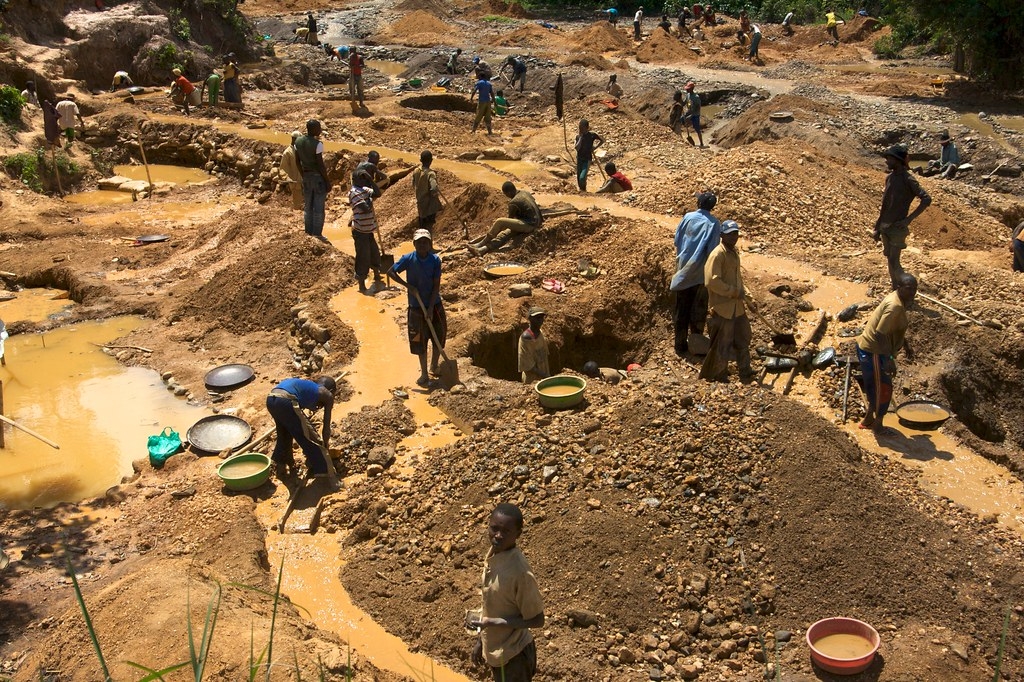
- Often involve local communities and individual miners
- Are regulated by Zimbabwe’s Ministry of Mines and Mining Development
These operations contribute significantly to employment, foreign exchange earnings, and rural development, but require strict adherence to licensing and environmental standards.
2. Licensing Requirements for Small-Scale Gold Mining
To operate legally, small-scale miners must obtain the necessary licenses and permits:
a. Artisanal Mining License
- Issued by the Ministry of Mines
- Required for individuals or groups engaged in small-scale mining
- Typically valid for a period of 3 years and renewable
b. Special Mining Lease
- Required for operations exceeding 5 hectares or for more mechanized operations
- Provides legal rights to explore and extract gold within a defined area
c. Environmental Impact Assessment (EIA)
- Conducted to ensure mining activities do not cause long-term environmental damage
- Approved by the Environmental Management Agency (EMA)
- Mandatory before issuing a mining license
d. Local Authority Permits
- Compliance with local council regulations is required
- Includes land use approvals and occupational safety certifications
Obtaining the right licenses ensures your mining operation is fully legal and eligible for government support and incentives.
3. Registration and Legal Compliance
Before mining, it is essential to:
- Register your mining company with the Registrar of Companies
- Open a bank account for business transactions
- Register for tax purposes with Zimbabwe Revenue Authority (ZIMRA), including PAYE and turnover tax where applicable
Legal registration provides legitimacy, protects your business, and allows you to engage with formal financial institutions.
4. Operational Requirements
Running a small-scale gold mining operation involves several key steps:
a. Exploration and Prospecting
- Identify promising areas for gold deposits
- Conduct geological surveys or hire professionals for mineral assessment
- Obtain prospecting permits if required
b. Mining Methods
- Manual panning and sluicing for small-scale miners
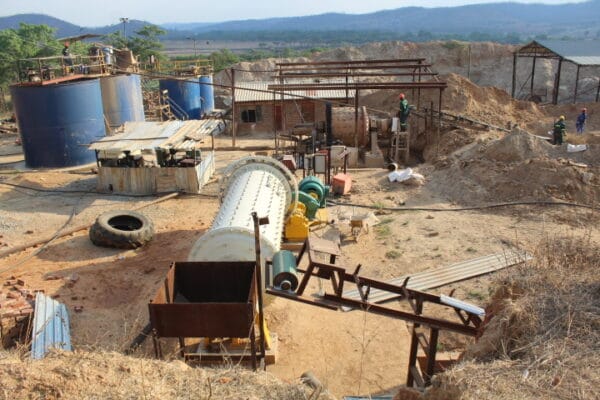
- Semi-mechanized operations using small equipment like sluice boxes, dredges, or small crushers
- Avoid unapproved chemical usage such as mercury without proper environmental permits
c. Processing
- Extract gold using legal and environmentally-friendly techniques
- Separate gold from ore efficiently while minimizing waste
- Follow safety standards to protect workers and the surrounding environment
d. Record Keeping
- Maintain detailed records of extraction volumes, sales, and expenses
- Submit regular reports to the Ministry of Mines as part of compliance
5. Environmental and Safety Compliance
Small-scale gold miners must adhere to:
- Environmental Management Act: Prevent pollution and land degradation
- Occupational Health and Safety Regulations: Protect workers from hazards
- Proper waste management and rehabilitation of mined areas
- Avoiding illegal mining in protected areas or wetlands
Compliance ensures sustainable operations and avoids fines, license revocation, or legal action.
6. Selling and Marketing Gold
Once gold is extracted, miners can sell it legally by:
- Registering with the Ministry of Mines for gold trading
- Selling to authorized gold buyers and refiners
- Avoiding illegal sales or “black market” buyers to ensure compliance and fair pricing
Proper marketing ensures profitability and protects miners from legal risks.
7. Challenges Faced by Small-Scale Gold Miners
Small-scale gold mining in Zimbabwe faces challenges such as:
- High licensing and compliance costs
- Limited access to capital and equipment
- Fluctuating gold prices affecting profitability
- Environmental risks if proper procedures are not followed
- Competition and illegal mining activities
Understanding these challenges allows miners to plan effectively and mitigate risks.
8. Best Practices for Small-Scale Gold Mining
To succeed in small-scale gold mining:
- Always obtain the necessary licenses and permits before starting operations
- Invest in proper equipment for efficient extraction
- Implement environmentally friendly mining practices
- Maintain accurate records of operations and financials
- Stay updated on regulatory changes and market trends
- Consider joining mining cooperatives for access to resources and better market leverage
Adopting best practices enhances profitability, ensures sustainability, and builds a positive reputation with authorities.
9. Opportunities in Small-Scale Gold Mining
Despite challenges, small-scale gold mining offers opportunities such as:
- Generating income and employment for individuals and communities
- Contributing to foreign exchange earnings for Zimbabwe
- Engaging in community development projects through cooperative mining initiatives
- Accessing government training, support programs, and incentives for compliant miners
With careful planning, small-scale gold mining can be a lucrative and sustainable business.
Conclusion
Small-scale gold mining in Zimbabwe is a viable business opportunity if approached responsibly and legally. By understanding licensing requirements, adhering to operational and environmental standards, and implementing best practices, miners can maximize profitability while contributing to local economic development.
For entrepreneurs interested in Zimbabwe’s gold mining sector, following the proper legal and operational guidelines ensures sustainable success and long-term growth.