Introduction
In Zimbabwe’s fast-growing agribusiness sector, poultry farming remains one of the most promising ventures for small to medium-scale farmers. But one of the biggest questions many beginners ask is: “Should I raise broilers or layers?”
Both types of poultry can generate good profits — but they differ in investment costs, time to returns, management needs, and market demand.
This guide breaks down everything you need to know about broilers vs. layers in Zimbabwe, helping you choose which is more profitable for your situation.
1. Understanding the Basics: Broilers and Layers
Broilers
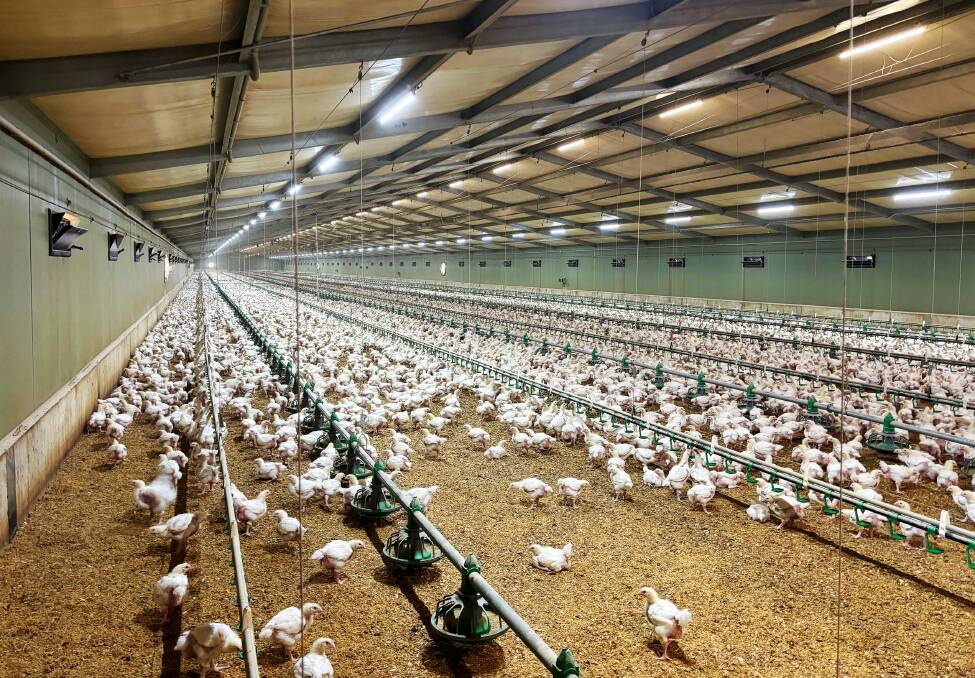
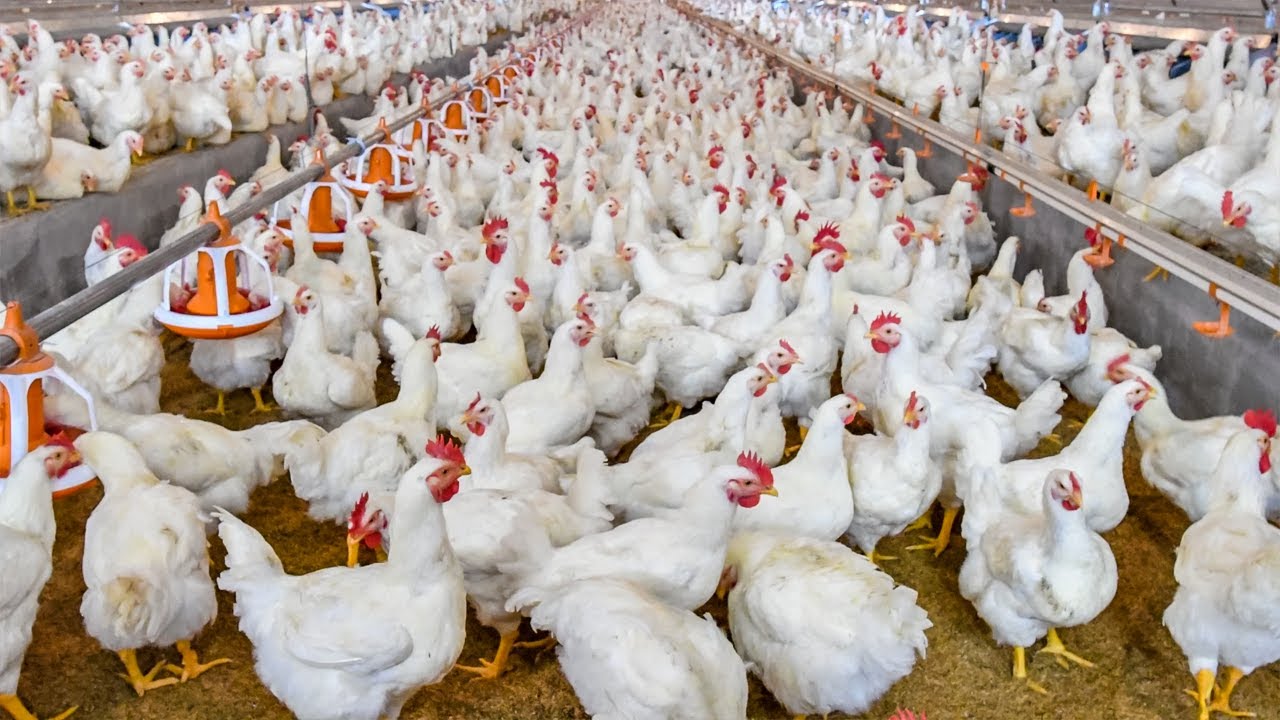
Broilers are chickens bred specifically for meat production. They grow very fast and reach market weight within 6 to 7 weeks. Key characteristics:
- Fast growth rate
- High feed consumption
- Ready for sale within two months
- Short production cycle and quick cash flow
Layers
Layers are chickens raised primarily for egg production. They start laying eggs around 18–20 weeks of age and continue for up to 18 months. Key characteristics:
- Longer production cycle
- Requires consistent feed supply
- Generates steady income through egg sales
- Higher long-term investment returns
Both are profitable — but the best choice depends on your capital, goals, and market.
2. Startup Costs: Which One Needs More Capital?
Generally, broiler farming requires less initial capital than layers because the production cycle is short. However, layer farming requires a larger upfront investment because of housing, laying equipment, and long-term feed costs before the birds start producing eggs.
Expense
Broilers (100 birds)
Layers (100 pullets)
Day-old chicks
$100
$120
Feed (first cycle)
$250
$350
Vaccines/medication
$30
$40
Housing & equipment
$150
$250
Electricity & heating
$20
$25
Total Initial Cost
≈ $550
≈ $785
So, if you’re starting small with limited capital, broilers are more affordable.
3. Time to Profit: How Long Before You Start Earning?
This is where broilers have a clear advantage.
- Broilers: Ready for market in 6–7 weeks. You can complete up to 6–8 cycles per year if managed well.
- Layers: Start producing eggs after 5 months, and then lay consistently for about 12–18 months.
If you need quick cash flow, broilers are ideal. But if you want consistent monthly income, layers provide a stable long-term return once production begins.
4. Revenue and Profit Comparison
Broilers (100 birds)
- Selling price per bird: $7–$9
- Gross income: $700–$900
- Total costs: $550
- Estimated profit per cycle: $150–$350
- Annual potential (6 cycles): $900–$2,100
Layers (100 birds)
- Laying rate: 80–90 eggs per day at peak
- Monthly eggs: ≈ 2,400
- Selling price per egg: $0.10–$0.12
- Monthly revenue: $240–$288
- Monthly feed & running costs: $150–$180
- Estimated monthly profit: $90–$120
- Annual profit after production begins: $1,000–$1,300
Conclusion: Layers yield higher total annual profit, but broilers deliver faster cash turnover and require less working capital.
5. Market Demand in Zimbabwe
Broilers
- Very popular in both rural and urban markets.
- High demand from butcheries, restaurants, schools, and individuals.
- Consumption spikes during holidays and events.
Layers (Eggs)
- Eggs sell throughout the year with less seasonal fluctuation.
- Eggs are easier to store and transport.
- Demand from hotels, supermarkets, and households remains steady.
In Zimbabwe, broilers dominate festive markets, while eggs offer daily steady income.
6. Feed and Management Requirements
Feed is the largest cost in poultry farming — typically 60–70% of total expenses.
- Broilers require high-protein feed for rapid growth. They consume about 4.5–5 kg of feed per bird before slaughter.
- Layers require balanced rations for egg production — about 115–120 grams per bird per day.
Feed brands like Novatek, National Foods, and Profeeds are commonly used in Zimbabwe.
Layers need more consistent management over a long period, including egg collection, cleaning, and record-keeping, while broilers demand intensive care in a short time frame.
7. Risk Factors to Consider
Factor
Broilers
Layers
Disease risk
High (due to rapid growth and density)
Moderate
Market price fluctuation
Frequent (especially during off-seasons)
More stable
Feed quality impact
Immediate effect on growth
Affects egg production gradually
Cash flow risk
High if market collapses mid-cycle
Lower due to ongoing egg sales
Key takeaway: Broilers are more volatile but give faster returns; layers are more stable but require patience.
8. Labour and Space Requirements
- Broilers: Require more space per bird (about 1 sq. foot each) but for a shorter period. Labour is intense during the 7-week cycle.
- Layers: Require long-term housing with proper nesting boxes and consistent care.
Broiler projects are easier to manage with minimal labour, while layer operations need ongoing attention and skilled handling.
9. Marketing Strategies for Each
Broilers:
- Sell live or dressed chickens directly to customers.
- Supply local butcheries and restaurants.
- Create bulk delivery deals with schools, events, or caterers.
Layers:
- Sell fresh eggs in trays to supermarkets or vendors.
- Market directly on WhatsApp and social media.
- Add value — sell boiled, salted, or packaged eggs for premium prices.
Effective branding and consistency are key for both types of businesses.
10. Profitability Verdict
So, which is more profitable for Zimbabwean farmers? The answer depends on your goals and financial capacity.
Category
Broilers
Layers
Startup Cost
Lower
Higher
Time to Returns
6–7 weeks
5 months
Income Type
One-time per cycle
Continuous monthly
Risk Level
Higher
Moderate
Management
Short-term, intensive
Long-term, consistent
Overall Profitability
Fast profits, scalable
Sustainable, steady profits
If you want quick profits and fast turnover: Choose broilers. If you prefer stable, long-term income: Choose layers.
Many successful Zimbabwean farmers combine both, using broiler profits to support their layer operations — balancing short-term gains with long-term stability.
11. Tips for Success in Both Poultry Types
- Buy chicks from reputable hatcheries like Irvines, Hamara, or Lunar.
- Follow proper vaccination schedules from AGRITEX or veterinary officers.
- Keep accurate financial and production records.
- Use quality feed and clean water at all times.
- Market strategically — know your customers before production starts.
- Maintain strict biosecurity to prevent disease outbreaks.
12. Final Thoughts
Poultry farming in Zimbabwe remains one of the most profitable and accessible agribusiness opportunities for both rural and urban entrepreneurs.
Choosing between broilers and layers depends on your capital, patience, and market strategy. Broilers bring quick cash, while layers offer long-term stability.
For many farmers, success lies in starting small, learning the ropes, and reinvesting profits into expanding operations. With good planning, poultry can turn into a sustainable enterprise that feeds families and drives economic growth in Zimbabwe.