
Introduction
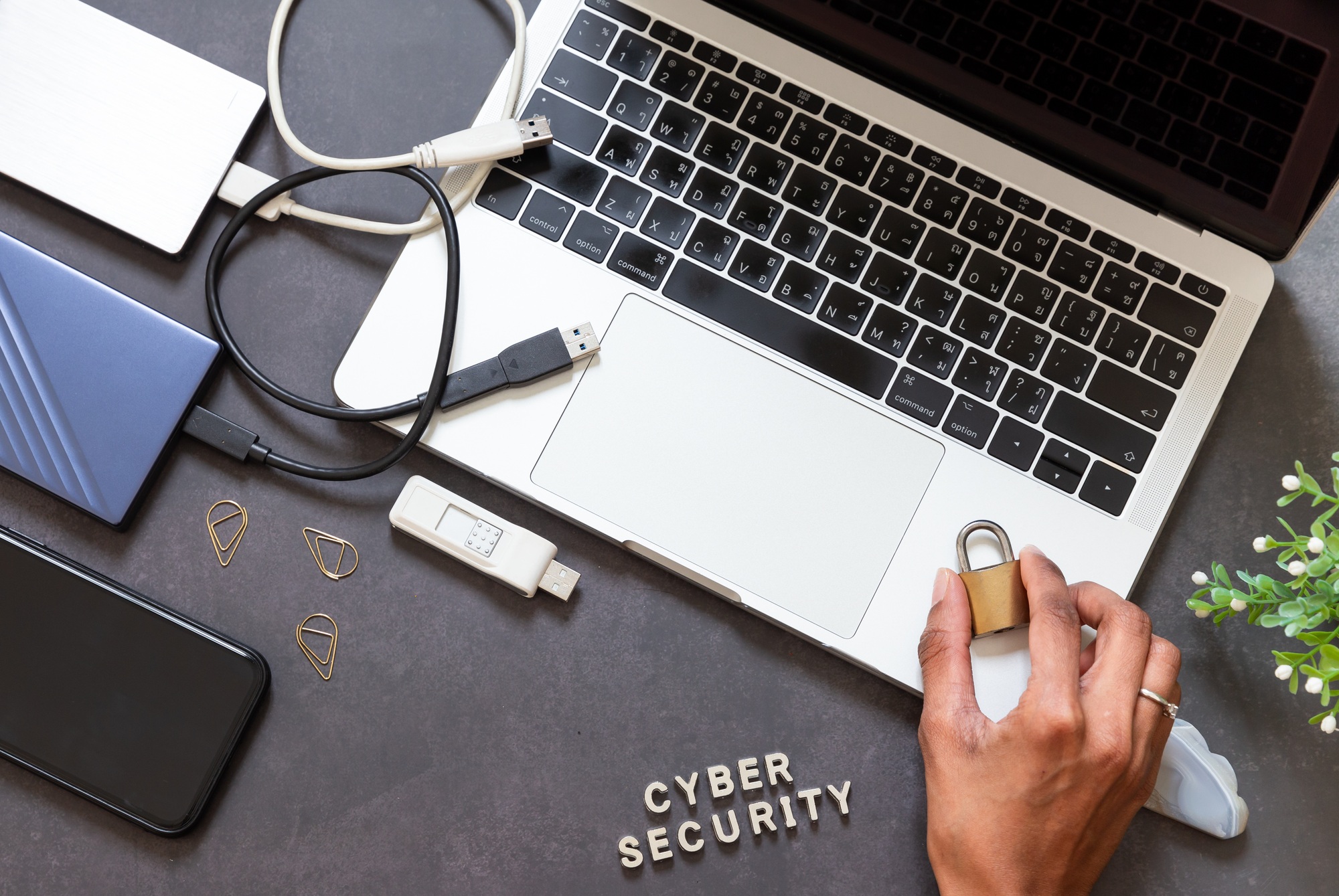
As Zimbabwean businesses embrace digital transformation, accounting systems have become the backbone of financial management, tax compliance, and decision-making. However, with increased digitization comes the heightened risk of data breaches, cyberattacks, and unauthorized access to sensitive financial information. Protecting your accounting data is not just a technical necessity—it’s a legal and reputational imperative. This article explores the importance of data security in Zimbabwean accounting systems, regulatory requirements, common threats, and actionable strategies for safeguarding your business’s financial data.
Why Data Security Matters in Zimbabwean Accounting Systems
Accounting systems store a wealth of sensitive information, including financial transactions, payroll records, tax details, and customer data. A breach or loss of this data can lead to:
- Financial losses and business disruption
- Regulatory penalties from ZIMRA and other authorities
- Loss of client trust and business reputation
- Legal liabilities and potential lawsuits
With cybercrime on the rise in Africa, Zimbabwean businesses—large and small—must prioritize robust data security measures to protect their interests and comply with local regulations.
Regulatory Requirements and Compliance
Zimbabwean companies are required to comply with data protection and financial regulations, including:
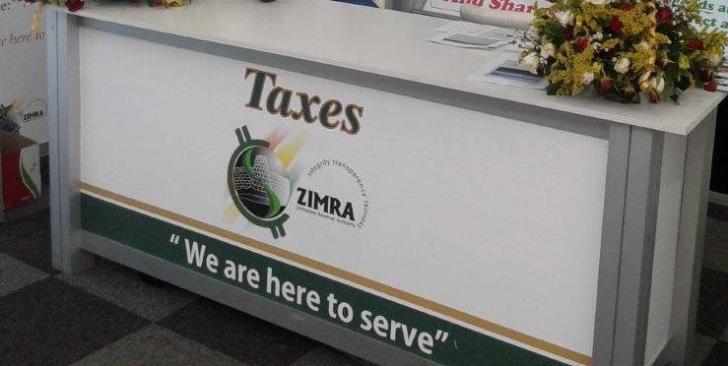
- ZIMRA Compliance: Accurate and secure record-keeping is essential for tax audits and reporting. ZIMRA may impose penalties for improper storage or loss of financial data.
- Data Protection Laws: Zimbabwe’s Cyber and Data Protection Act sets out requirements for safeguarding personal and business data, including accounting records.
- Company Law: The Companies and Other Business Entities Act (COBE) mandates proper record-keeping and protection of company information.
Failure to comply with these regulations can result in fines, business restrictions, or legal action.
Common Data Security Threats to Accounting Systems
Zimbabwean businesses face several risks when it comes to accounting data, including:
- Cyberattacks and Malware: Hackers target accounting systems to steal financial data or hold it for ransom.
- Insider Threats: Employees or contractors with access to accounting software may misuse or leak sensitive information.
- Phishing and Social Engineering: Fraudsters use deceptive emails or calls to trick staff into revealing login credentials.
- Data Loss from System Failures: Hardware malfunctions, software bugs, or power outages can result in the loss of critical accounting records.
- Unsecured Cloud Storage: Storing accounting data on poorly secured cloud platforms can expose it to unauthorized access.
Best Practices for Data Security in Zimbabwean Accounting Systems
1. Choose Secure Accounting Software Select reputable accounting software providers with strong security features such as:
- Data encryption (in transit and at rest)
- Multi-factor authentication (MFA)
- Regular security updates and patches
- Audit trails and activity logs
2. Implement Strong Access Controls Restrict access to accounting systems based on job roles. Use unique user accounts and limit administrative privileges to trusted personnel only.
3. Regular Data Backups Schedule automatic backups of your accounting data to secure, offsite locations. Test your backups regularly to ensure they can be restored in case of data loss.
4. Train Your Staff Educate employees about cybersecurity best practices, such as recognizing phishing attempts, using strong passwords, and reporting suspicious activity.
5. Keep Software Updated Regularly update your accounting software and operating systems to patch vulnerabilities and enhance security.
6. Secure Cloud Solutions If you use cloud-based accounting systems, ensure your provider complies with international security standards and offers encrypted storage.
7. Monitor and Audit System Activity Use audit logs to track who accesses your accounting data and what changes are made. Regularly review these logs for unusual or unauthorized activity.
8. Develop an Incident Response Plan Prepare a plan for responding to data breaches or cyber incidents, including steps for containment, investigation, notification, and recovery.
Data Security Tools for Zimbabwean Businesses
- Antivirus and Anti-Malware Software: Protects against malicious software targeting accounting systems.
- Firewalls: Blocks unauthorized access to your network and sensitive data.
- Password Managers: Helps staff create and manage strong, unique passwords.
- Encryption Tools: Ensures that data remains unreadable to unauthorized users, even if accessed.
- Secure Backup Solutions: Provides automated, encrypted backups of your accounting records.
The Role of Cloud Accounting in Data Security
Cloud-based accounting systems are gaining popularity in Zimbabwe for their convenience and scalability. When properly configured, cloud solutions can enhance data security by:
- Offering automatic backups and disaster recovery
- Providing advanced encryption and access controls
- Allowing remote access with secure authentication
However, always choose a cloud provider with a proven track record in security and compliance with Zimbabwean data protection laws.
Staying Ahead of Evolving Threats
Cybersecurity is not a one-time effort. As threats evolve, so must your defenses. Stay informed about the latest risks by subscribing to cybersecurity alerts, attending local business seminars, and consulting with IT security professionals.
Conclusion
Data security in Zimbabwean accounting systems is critical for protecting your business, meeting regulatory requirements, and maintaining trust with clients and partners. By choosing secure software, enforcing best practices, and staying vigilant against emerging threats, Zimbabwean businesses can confidently embrace digital accounting while minimizing risks.