
Introduction
Selecting the right accounting system is a crucial decision for any Zimbabwean business, whether you’re a startup, SME, or established enterprise. The right software can streamline your finances, ensure compliance with local regulations, and provide valuable insights for growth. However, with numerous options available—ranging from basic spreadsheets to advanced cloud-based solutions—knowing what to look for can be challenging. This guide will help you navigate the process, highlighting the most important factors to consider for your unique business environment in Zimbabwe.
Why Your Choice of Accounting System Matters
A robust accounting system goes beyond simple bookkeeping. It enables you to:
- Track income and expenses accurately
- Prepare for ZIMRA tax compliance and audits
- Manage payroll, inventory, and invoicing
- Generate financial reports for decision-making
- Integrate with other business systems, such as banking and payroll
Choosing the right system can save time, reduce errors, and support your business as it grows.
Key Features to Look For in a Zimbabwean Accounting System
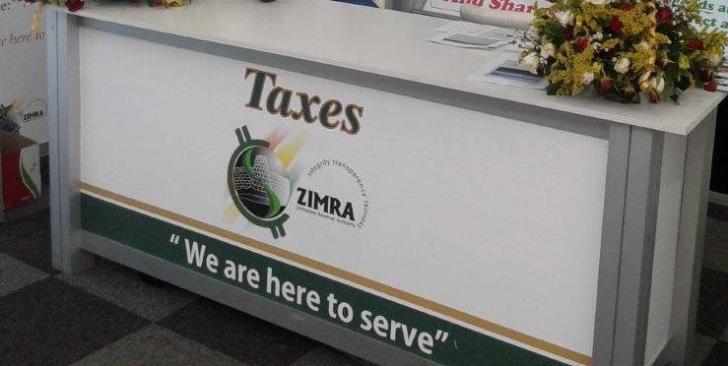
Local Compliance and ZIMRA Integration Zimbabwean businesses must comply with tax regulations set by the Zimbabwe Revenue Authority (ZIMRA). Your accounting system should:
- Support VAT, PAYE, and other local tax calculations
- Generate ZIMRA-compliant invoices and reports
- Facilitate easy submission of tax returns
User-Friendliness An intuitive interface is essential, especially if your staff have limited accounting experience. Look for:
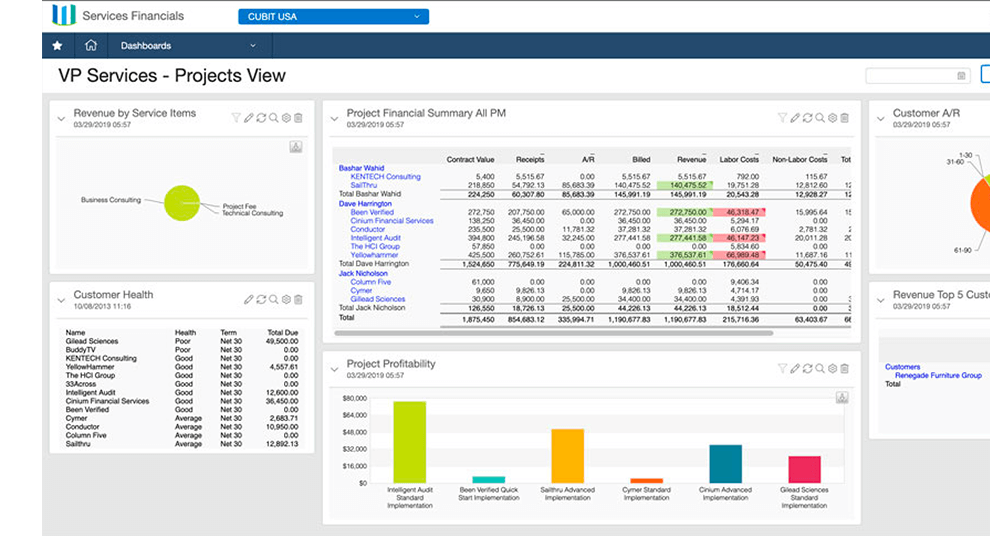
- Clear dashboards and easy navigation
- Simple data entry and reporting tools
- Local language support, if needed
Scalability Your business may grow or diversify. Choose a system that can scale with you, allowing for:
- Additional users or branches
- More complex transactions
- Integration with other business software
Cloud-Based vs. On-Premise Solutions Cloud-based accounting systems offer flexibility, automatic updates, and remote access—ideal for businesses with multiple locations or remote teams. On-premise solutions may be preferred if you have strict data security requirements or unreliable internet connectivity.
Integration Capabilities A good accounting system should integrate with:
- Payroll and HR systems
- Inventory management tools
- Banking platforms for automated reconciliations
Reporting and Analytics Comprehensive reporting features help you monitor cash flow, profitability, and compliance. Look for customizable financial statements, dashboards, and export options.
Steps to Choosing the Right Accounting Software
Assess Your Business Needs Start by mapping out your core accounting requirements. Consider:
- The size and complexity of your business
- The volume of transactions
- Industry-specific needs (e.g., manufacturing, retail, services)
- Number of users who will access the system
Set a Realistic Budget Accounting software costs vary widely. Factor in:
- Upfront purchase or subscription fees
- Implementation and training costs
- Ongoing support and maintenance fees
Research Local and International Vendors Look for reputable vendors with experience in Zimbabwe. Popular options include Sage, QuickBooks, Xero, and local solutions tailored to Zimbabwean regulations.
Request Demos and Trials Test several systems before committing. Most vendors offer free trials or live demos—use these to evaluate ease of use, feature sets, and customer support.
Check Customer Support and Training Reliable support is essential, especially during setup and tax season. Choose a vendor that offers:
- Local support channels (phone, email, chat)
- Comprehensive training resources
- Regular software updates for regulatory changes
Consider Data Security and Backup Protecting sensitive financial data is vital. Ensure your chosen system offers:
- Secure data encryption
- Regular backups
- User access controls
Common Mistakes to Avoid
- Choosing the cheapest option without considering long-term needs
- Ignoring local compliance requirements
- Overlooking integration with other business systems
- Neglecting staff training and change management
- Failing to plan for future scalability
Popular Accounting Systems in Zimbabwe
While international brands like Sage, QuickBooks, and Xero are widely used, several local providers offer solutions specifically designed for Zimbabwean tax and business requirements. Some notable options include:
- Pastel Accounting: Popular for its local support and ZIMRA compliance features.
- Sage Business Cloud: Offers scalable, cloud-based solutions with robust reporting.
- QuickBooks Online: Known for user-friendliness and integration capabilities.
- Local custom solutions: Often tailored for Zimbabwean SMEs and can be adapted to unique industry needs.
Questions to Ask Before Making a Decision
- Does the system support all relevant ZIMRA tax requirements?
- Can it handle multiple currencies, if your business deals with forex?
- What is the total cost of ownership, including updates and support?
- How easy is it to migrate data from your current system?
- Is there reliable local support and training available?
Implementation Tips
- Plan for a smooth transition: Schedule implementation during a quiet period, if possible.
- Back up existing data: Ensure you have secure copies of all financial records before migrating.
- Train your team: Invest in comprehensive training to maximize adoption and minimize errors.
- Test thoroughly: Run parallel systems for a short period to identify and resolve any issues.
Conclusion
Choosing the right accounting system for your Zimbabwean business is a strategic investment that pays dividends in efficiency, compliance, and business insight. By focusing on local compliance, scalability, integration, and user-friendliness, you can select a solution that meets your current needs and supports your future growth. Take the time to research, test, and consult with local experts or vendors to ensure you make the best choice for your business.