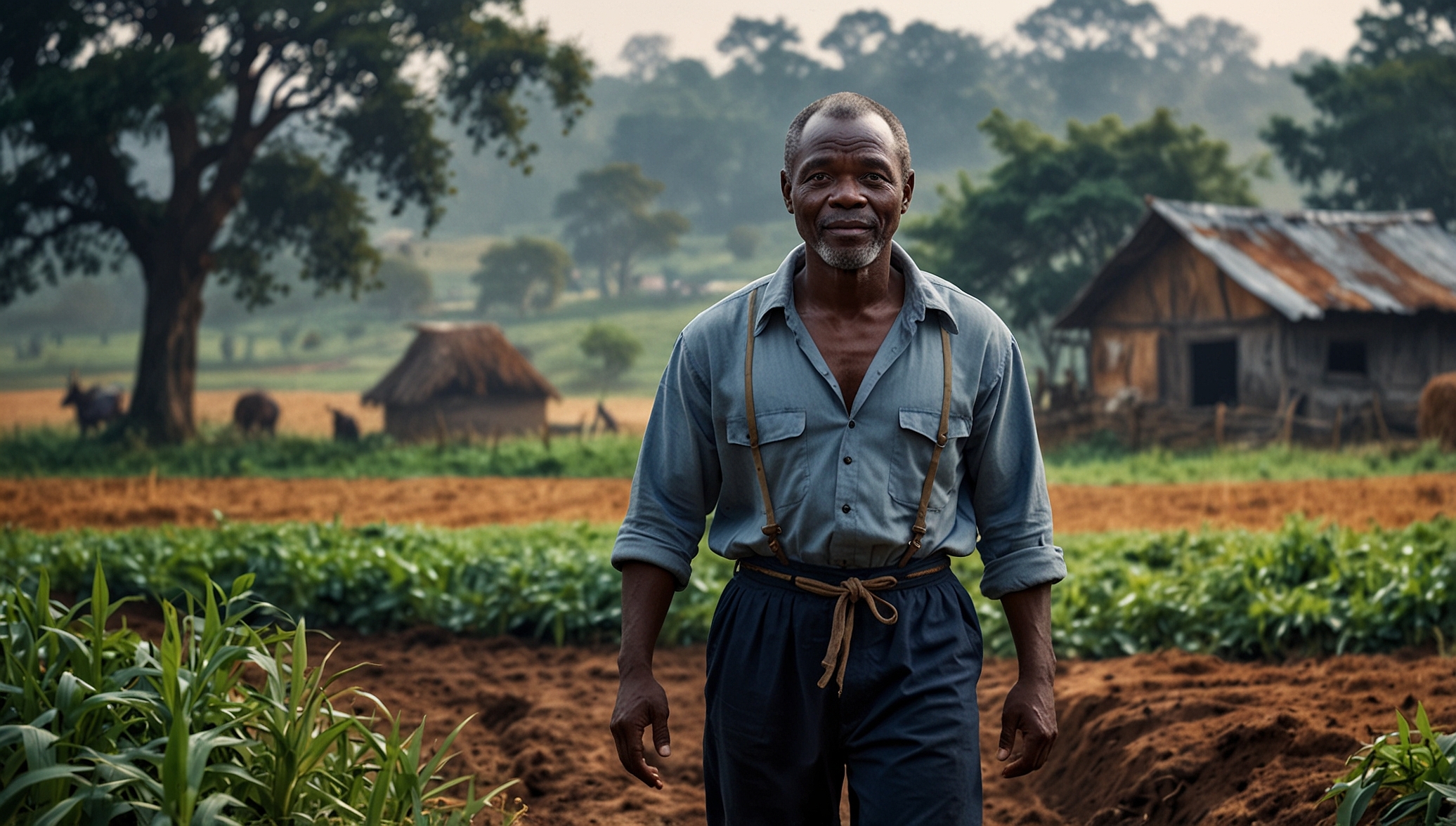

Zimbabwe’s agriculture sector is a cornerstone of its economy, employing over 60% of the population and contributing significantly to GDP. The country’s rich soils, diverse agro-ecological zones, and favorable climate make it ideal for both subsistence and commercial farming. From tobacco and maize to horticulture and livestock, opportunities abound for local and foreign investors alike. However, navigating the path to investment requires a sound understanding of the legal, financial, and operational landscape.
This agriculture investment guide for Zimbabwe provides a practical, step-by-step roadmap for investors seeking to enter this dynamic sector.
Step 1: Identify Your Investment Focus
Before anything else, clarify your area of interest within the agricultural value chain. Zimbabwe offers opportunities in:
- Crop Production (maize, tobacco, soybeans, horticulture)
- Livestock Farming (beef, poultry, dairy)
- Agro-processing (milling, canning, cold chain)
- Agricultural Inputs (fertilizers, seeds, irrigation equipment)
- Export Farming (blueberries, macadamia nuts, avocados)
Consider factors such as land requirements, access to water, labor availability, and market demand. For instance, horticulture has high export potential but requires intensive irrigation and infrastructure.
Step 2: Understand Land Access Options
Land in Zimbabwe is classified into several categories: communal, resettlement, private freehold, and state land. Foreigners and companies must navigate land access with care.
Options for Land Access:
- Leasing from the Government:
- Long-term leases (99 years for locals; renewable 25-year leases for foreigners).
- Apply through the Ministry of Lands, Agriculture, Fisheries, Water and Rural Development.
- Environmental Impact Assessments (EIAs) may be required.
- Joint Ventures with Local Landowners:
- Engage in Public-Private Partnerships (PPPs) or contract farming.
- Typically faster than direct lease applications.
- Ensure agreements are legally documented and registered.
- Purchasing Freehold Land:
- Rare, but possible in private estates or peri-urban zones.
- Verify title deeds thoroughly and engage a local conveyancer.
Note: Foreign investors are not allowed to own agricultural land directly but may partner with locals or lease through registered entities.
Step 3: Register Your Business
To legally operate, investors must register a business entity with the Zimbabwe Companies and Intellectual Property Office (ZIPO). Choose from:
- Private Limited Company (Pvt Ltd)
- Private Business Corporation (PBC)
- Joint Venture or Consortium (if applicable)
Once registered, obtain a Business Partner Number (BPN) from the Zimbabwe Revenue Authority (ZIMRA) for tax purposes. Investors intending to operate in designated growth sectors like agriculture may benefit from tax holidays and rebates.
Step 4: Secure the Necessary Licenses and Permits
Agriculture in Zimbabwe is regulated to ensure food safety, biosecurity, and land compliance. Common licenses include:
- Environmental Impact Assessment Certificate (via the Environmental Management Agency – EMA) for large-scale projects.
- Farmer Registration (especially for tobacco, cotton, or seed growers).
- Export Permits (for selling agricultural products abroad).
- Import Permits (if bringing in equipment, chemicals, or inputs).
Additionally, compliance with labor laws (e.g., minimum wage, employment contracts) is critical for hiring farmworkers.
Step 5: Explore Financing and Incentives
Access to capital is crucial, especially for mechanization and infrastructure. Zimbabwe offers several financing options:
1. Local Banks and Agricultural Finance Institutions
- AFC Commercial Bank and Agribank offer agriculture-specific loans.
- Collateral may include lease agreements or equipment.
2. Government Programs
- Presidential Input Scheme and Command Agriculture (for locals).
- Zimbabwe Investment and Development Agency (ZIDA) facilitates foreign investor support.
3. Private Equity and Joint Ventures
- Local venture capital firms and NGOs fund innovative agribusinesses.
- Attract partners by developing a solid business plan and impact projection.
4. Tax Incentives
- Investors in agriculture can enjoy VAT deferments, capital allowances, and exemptions under the Special Economic Zones (SEZ) Act if operating in designated areas.
Step 6: Build Infrastructure and Hire Staff
Depending on your operation, infrastructure may include:
- Irrigation systems
- Storage facilities (silos, cold rooms)
- Processing plants
- Transportation networks
Local construction firms and equipment suppliers are available, though plan for possible delays in customs clearance for imported machinery.
Staffing can include farm managers, seasonal workers, and technical experts. Zimbabwe boasts a skilled labor pool, especially from its agricultural colleges and training centers. Adhere to the Labour Act for contracts, working conditions, and social security contributions.
Step 7: Market Your Products
A sustainable operation needs reliable markets. Options include:
- Domestic Markets: Supermarkets, food processors, and public markets.
- Export Markets: South Africa, the European Union, China, and the Middle East.
- Commodity Boards: Tobacco Industry and Marketing Board (TIMB), Grain Marketing Board (GMB) for regulated crops.
Invest in branding, packaging, and certifications such as GlobalG.A.P. or Fair Trade for enhanced export competitiveness. Digital platforms are increasingly used for market access, especially for fresh produce and livestock.
Step 8: Ensure Risk Management and Compliance
Agriculture involves risks ranging from climate shocks to policy changes. Adopt the following strategies:
- Insurance: Consider crop, livestock, and equipment insurance.
- Diversification: Grow multiple crops or combine livestock with cropping.
- Climate-Smart Agriculture: Use drought-resistant varieties, water harvesting, and conservation farming.
- Legal Compliance: Maintain updated licenses, tax filings, and labor records to avoid penalties.
Engage with the Zimbabwe Farmers Union (ZFU), Commercial Farmers Union (CFU), or Zimbabwe Agricultural Society (ZAS) for advocacy, training, and networking.
Final Thoughts
To invest in agriculture in Zimbabwe is to invest in a sector with rich potential, despite challenges such as land tenure complexities and policy fluctuations. The key to success lies in careful planning, legal due diligence, and continuous engagement with local partners and authorities.
With structured support from government agencies like ZIDA and evolving investor-friendly reforms, Zimbabwe remains one of Africa’s most promising frontiers for agricultural investment.