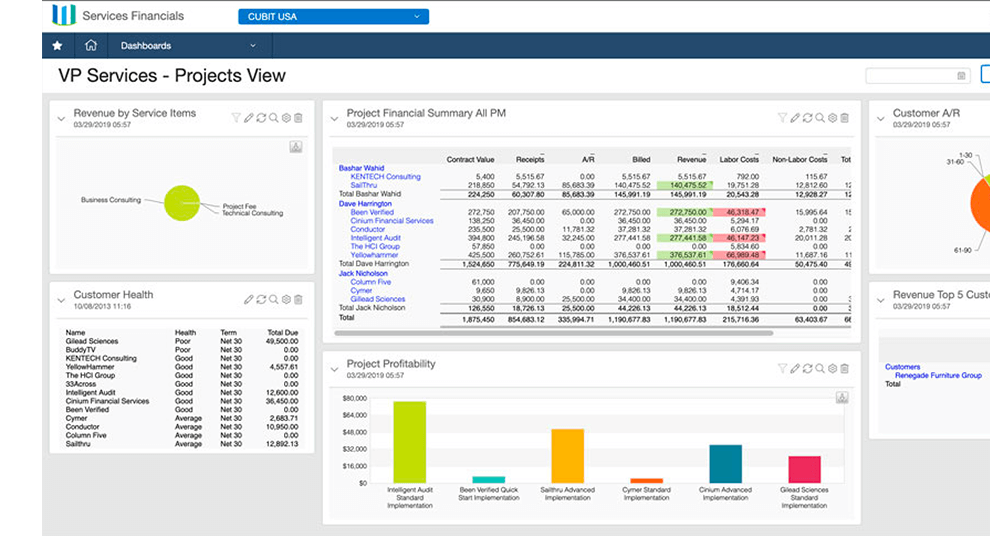

Palladium vs Sage Pastel, which one do you prefer. Small and medium-sized enterprises (SMEs) in Africa face unique operational challenges—from volatile supply chains and unpredictable market dynamics to limited access to affordable finance. Choosing the right Enterprise Resource Planning (ERP) system can mean the difference between growth and stagnation. Two of the most popular ERP solutions in the African SME market are Palladium and Sage Pastel. But when it comes down to choosing the better platform, which one truly delivers more value for African SMEs?
In this article, we compare Palladium vs Sage Pastel in terms of usability, pricing, and functionality across key modules like inventory management, POS, and payroll, to help businesses determine the best ERP for SMEs in Africa.
1. Usability: Interface, Learning Curve, and Accessibility
Palladium**:** Palladium offers a modern, intuitive interface that appeals to users transitioning from spreadsheets or legacy systems. The navigation is clean, and role-based dashboards make it easy for different users—whether in finance, sales, or inventory—to access the tools they need. Additionally, Palladium supports both cloud and on-premise deployments, which is a plus in regions where internet infrastructure may be unreliable.
Sage Pastel: Sage Pastel, particularly the Sage 50c Pastel Partner, retains a more traditional look and feel. While it is feature-rich, some users may find the interface dated and the learning curve steeper, especially for first-time ERP users. It does, however, offer extensive documentation and a well-established support ecosystem in Southern Africa.
Verdict on Usability: Palladium has a more modern, user-friendly design that benefits businesses with minimal IT support. Sage Pastel, while robust, may require more training and onboarding. For user experience, Palladium edges ahead.
2. Pricing: Cost Structure and Affordability
Palladium: Palladium offers a competitive pricing model tailored to African businesses. The solution is priced per user per year, with a strong emphasis on value. Most versions include core modules (inventory, sales, general ledger, payroll, etc.) without the need for costly add-ons. There’s also a free version (Palladium Business) for micro-businesses and startups.
Sage Pastel: Sage Pastel’s pricing is modular, meaning businesses often pay separately for each functionality—such as inventory, POS, and payroll. This can make the total cost higher, especially as your business scales. Licensing is typically perpetual with optional annual support plans, although cloud-hosted versions like Sage Business Cloud Accounting offer subscription models.
Verdict on Pricing: For growing African SMEs conscious of cost, Palladium provides better value through its all-in-one pricing and free tier for entry-level users. Sage Pastel can become expensive due to its modular and license-based pricing.
3. Functionality Comparison Across Key Modules
Inventory Management
Palladium: Palladium excels in inventory management with real-time tracking, multi-location warehousing, batch and serial number tracking, and automated reordering. It supports complex costing methods (FIFO, average cost, standard cost), making it suitable for businesses managing extensive stock levels or multiple branches.
Sage Pastel: Sage Pastel also provides solid inventory features, including multi-warehouse support, stock takes, and pricing matrices. However, some advanced functions (like lot tracking or landed cost calculations) may require additional modules or customization.
Verdict on Inventory: Palladium takes the lead with more out-of-the-box features, making it a better fit for African SMEs with complex inventory needs.
Point of Sale (POS)
Palladium: Palladium’s integrated POS system is designed for retail and wholesale businesses. It operates seamlessly with the inventory and finance modules and supports offline mode—critical for businesses in areas with unreliable internet. It also accommodates barcode scanning, till management, and customer loyalty programs.
Sage Pastel: Sage offers a separate Sage Pastel POS solution that integrates with the core accounting software. It is functional and widely used in retail sectors, but the fact that it’s not built into the core package means extra setup, cost, and sometimes a need for third-party support.
Verdict on POS: Palladium wins here for offering a unified, offline-capable POS that integrates deeply with other business functions.
Payroll
Palladium: Palladium includes payroll as part of its ERP suite. It offers employee records, automated PAYE calculations, leave management, and payslip generation. More importantly, it complies with many African tax regulations, with ongoing updates as legislation evolves.
Sage Pastel: Sage Pastel Payroll & HR is a separate but highly comprehensive solution. It handles statutory compliance for multiple African countries, offers direct salary payment options, and integrates with accounting modules. However, it is priced and maintained separately from Sage Pastel Partner.
Verdict on Payroll: Sage Pastel Payroll is more robust, especially for larger teams or businesses operating in multiple countries. However, for SMEs wanting a simple, built-in solution, Palladium is sufficient and more affordable.
4. Local Support and Ecosystem
Palladium: Based in South Africa, Palladium has strong regional roots and offers tailored support for African businesses. Its growing partner network is focused on serving SMEs and includes training, implementation, and localized support.
Sage Pastel: Sage has been in Africa for decades, particularly dominant in South Africa and Zimbabwe. It has a large network of consultants and a well-established reputation for reliability. The breadth of experience among Sage partners gives it an edge in long-term support.
Verdict on Support: Sage Pastel leads in ecosystem maturity, while Palladium is catching up quickly, especially with its more responsive customer service for newer businesses.
Final Verdict: Palladium vs Sage Pastel – Best ERP for SMEs in Africa?
Choosing the best ERP for SMEs in Africa ultimately depends on your business needs. However, based on usability, affordability, and all-in-one functionality, Palladium stands out as the better choice for most small to medium-sized African businesses, especially those in retail, distribution, or services.
Sage Pastel remains a solid option for businesses that need advanced payroll and accounting features and are willing to pay for modular flexibility. However, its dated interface and additional setup complexity may be a drawback for modern, agile SMEs.
Summary Table
Feature
Palladium
Sage Pastel
Usability
Modern, intuitive
Traditional, steeper learning curve
Pricing
Affordable, all-in-one
Modular, higher long-term costs
Inventory
Advanced, real-time
Functional, less flexible
POS
Integrated, offline mode
Separate system, extra cost
Payroll
Built-in, basic
Advanced, separate module
Support
Regional, responsive
Mature, wide network
Conclusion
For African SMEs looking for a cost-effective, user-friendly, and fully integrated ERP, Palladium is the stronger choice. Its ability to deliver value without nickel-and-diming for each module makes it ideal for businesses that want to scale sustainably.
However, if your company prioritizes advanced payroll or has complex compliance requirements across multiple countries, Sage Pastel remains a worthy contender.
In the battle of Palladium vs Sage Pastel, Palladium wins for the modern African SME looking for efficiency, scalability, and simplicity.