
Introduction
Every month, employees in Zimbabwe notice several deductions from their salaries before they receive their final pay. These deductions are not random; they are part of the country’s statutory payroll system — a legal requirement enforced by government institutions.
The three most common statutory deductions are PAYE (Pay As You Earn), NSSA (National Social Security Authority) contributions, and the ZIMDEF (Zimbabwe Manpower Development Fund) levy. Understanding these deductions helps both employers and employees stay compliant, transparent, and financially informed.
1. PAYE – Pay As You Earn (Income Tax Deduction)
Administered by: Zimbabwe Revenue Authority (ZIMRA)
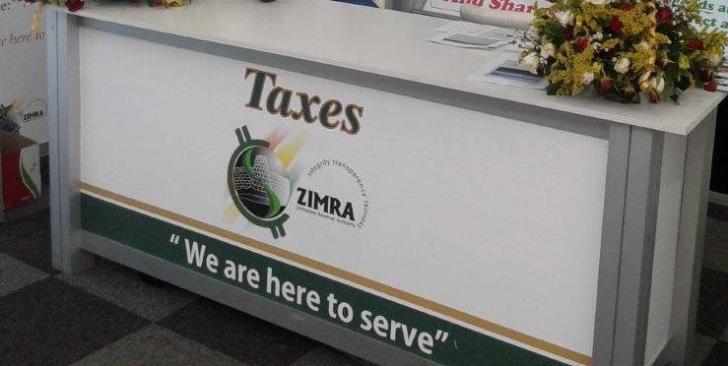
PAYE is the income tax deducted from an employee’s salary or wages every month. Employers are required by law to calculate and remit this tax to ZIMRA on behalf of employees.
How PAYE Works:
- The amount deducted depends on the employee’s gross salary and the ZIMRA tax bands for that year.
- PAYE follows a progressive tax system, where higher earners pay a higher percentage of tax.
- In addition to the main tax, a 3% AIDS levy is charged on the total tax payable.
Employer’s Role:
- Register for PAYE with ZIMRA.
- Deduct the correct PAYE amount each month.
- Remit the tax to ZIMRA by the 10th day of the following month.
- Submit annual returns summarizing deductions.
Failure to remit PAYE on time can result in penalties, interest, and disqualification from obtaining a ZIMRA Tax Clearance Certificate (ITF263).
2. NSSA – National Social Security Authority Contributions
Administered by: National Social Security Authority (NSSA)
NSSA contributions are designed to provide social security benefits to employees, such as pensions, disability benefits, and survivor benefits. Every employer and employee must contribute to the NSSA pension and other statutory schemes.
How NSSA Contributions Work:
- Contributions are calculated as a percentage of the employee’s basic salary, subject to a monthly limit.
- As of current regulations, employers contribute 4.5% and employees contribute 4.5%, totaling 9% of the employee’s insurable earnings.
- The insurable earnings ceiling is reviewed periodically by NSSA to reflect economic changes.
Employer’s Role:
- Register all employees with NSSA.
- Deduct the employee’s 4.5% contribution and add the employer’s share.
- Remit both contributions to NSSA by the 10th of the following month.
- Submit monthly returns with employee details and earnings.
Why NSSA Matters:
NSSA acts as a safety net for employees. It ensures that workers receive benefits during retirement, injury, illness, or other qualifying conditions. Employers who fail to contribute risk legal action and penalties.
3. ZIMDEF – Zimbabwe Manpower Development Fund Levy
Administered by: Ministry of Higher and Tertiary Education, Innovation, Science and Technology Development
ZIMDEF was established to fund the development of skilled manpower in Zimbabwe. The fund supports training institutions, apprenticeships, and skills development programs that benefit both the economy and the workforce.
How ZIMDEF Works:
- Only employers contribute to ZIMDEF.
- The contribution is calculated at 1% of the total gross wage bill (excluding NSSA contributions).
- This levy is payable monthly and must be remitted to ZIMDEF within 30 days after the end of each month.
Employer’s Role:
- Register with ZIMDEF as a contributing employer.
- Calculate and remit 1% of the total payroll.
- Submit monthly returns showing total wages and the corresponding contribution.
Importance of ZIMDEF:
ZIMDEF ensures that Zimbabwe’s industries have access to a well-trained and skilled workforce. It plays a crucial role in developing technical and vocational skills across the country.
Summary of Zimbabwe’s Statutory Payroll Deductions
Deduction
Responsible Party
Rate/Percentage
Remittance Due Date
Administered By
PAYE (Income Tax)
Employer deducts from employee
Based on ZIMRA tax bands + 3% AIDS Levy
10th of following month
ZIMRA
NSSA Contributions
Both employer and employee
4.5% each (9% total)
10th of following month
NSSA
ZIMDEF Levy
Employer only
1% of gross wage bill
Within 30 days after month-end
Ministry of Higher and Tertiary Education
Why These Deductions Are Important
Statutory deductions are more than just payroll obligations — they form the foundation of Zimbabwe’s social and economic framework.
- For Employees: PAYE ensures fair taxation, NSSA provides social protection, and ZIMDEF supports training opportunities that improve employability.
- For Employers: Compliance builds credibility with authorities, clients, and financial institutions. It also protects businesses from penalties and disqualification from tax clearance.
Failure to comply with these deductions can result in fines, interest charges, and reputational damage.
Practical Tips for Employers
- Register promptly with ZIMRA, NSSA, and ZIMDEF when starting operations.
- Maintain accurate payroll records for all employees.
- Use payroll software or systems that automatically calculate and separate each deduction.
- Reconcile payments monthly to avoid errors or backlogs.
- Keep proof of payment receipts and submission confirmations for audit purposes.
Conclusion
Understanding PAYE, NSSA, and ZIMDEF is essential for both employers and employees in Zimbabwe. These statutory deductions ensure that taxes are paid, workers are protected, and the country’s workforce continues to develop.
Employers must comply with all payroll obligations by accurately calculating, deducting, and remitting these amounts to the respective authorities. For employees, awareness of these deductions builds confidence and transparency in how their salaries are managed.
Compliance with statutory payroll deductions is not just a legal obligation — it is a commitment to responsible business practice and sustainable economic growth in Zimbabwe.