
In today’s fast-changing Zimbabwean business environment, financial accuracy and compliance are no longer optional they’re essential. Whether you’re running a startup in Harare or managing a growing retail chain in Bulawayo, choosing the right accounting software can make or break your business operations.
Two of the most trusted systems in Zimbabwe are Sage Accounting and Pastel Accounting. Both are powerful, both are popular but which one is better suited for your business?
Let’s dive deep into the comparison between Sage and Pastel, exploring their features, pricing, scalability, and suitability for Zimbabwean businesses in 2025.
1. A Quick Overview: Sage and Pastel Explained
Sage is a global accounting software brand trusted by millions of businesses worldwide. Known for its cloud-based flexibility and modern interface, Sage offers a range of products like Sage Business Cloud Accounting and Sage 50. These solutions are ideal for businesses that want online access, automation, and integration with other business tools.
Pastel Accounting, on the other hand, has deep roots in Southern Africa and is known for its simplicity and reliability. It’s often referred to as Sage Pastel because it falls under the same parent company, Sage Group, but it remains a favorite in Zimbabwe, Zambia, and South Africa for its user-friendly offline capabilities and strong local support.
2. Ease of Use: Which System Is Simpler?
For Zimbabwean SMEs that may not have in-house accountants, ease of use is critical.
- Pastel is known for its straightforward interface and familiar layout that resembles traditional bookkeeping methods. It’s particularly suitable for small businesses that prefer offline accounting and manual data input.
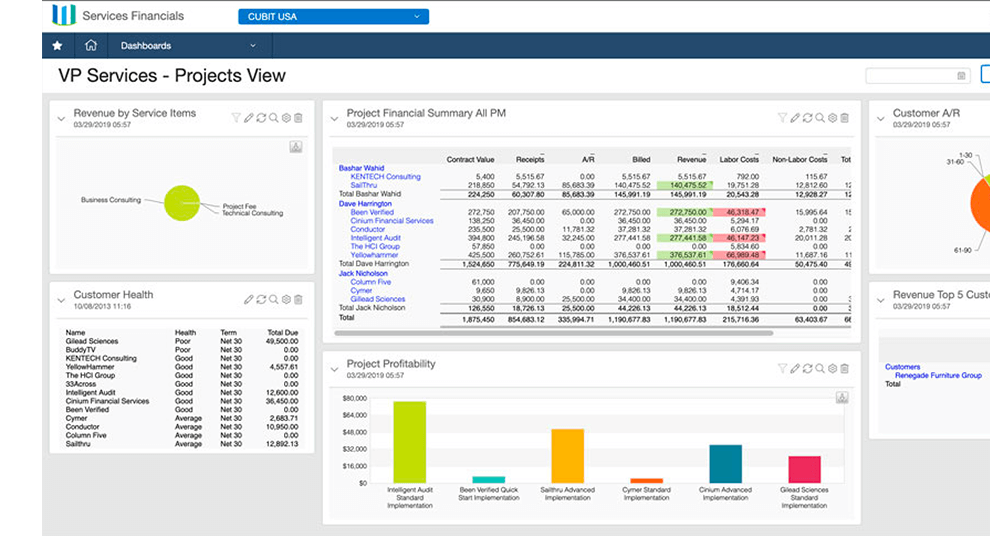
- Sage, however, provides a modern, intuitive dashboard designed for cloud access. It’s more visual and automated ideal for entrepreneurs who prefer a digital-first approach.
Verdict: If you want simplicity and offline reliability, Pastel wins. But for modern, tech-driven businesses, Sage’s cloud interface offers more flexibility.
3. Cloud vs Offline: The Big Difference
This is where the real distinction lies.
- Sage operates primarily in the cloud, meaning your data is stored online and accessible anywhere. This allows business owners to track financials on the go, collaborate with accountants remotely, and receive automatic updates.
- Pastel, traditionally an on-premise system, stores data locally. However, newer versions like Sage Pastel Partner and Pastel Xpress now include cloud-linked options.
In Zimbabwe, where internet connectivity may sometimes be unreliable, offline options are still valuable. But as more businesses adopt cloud technologies and online banking, Sage’s accessibility gives it a future-ready edge.
Verdict: Sage leads for scalability and mobility; Pastel holds strong for offline dependability.
4. Core Features: What Each Software Offers
Feature
Sage
Pastel
Cloud Access
Full Cloud Access
Limited Cloud (Depends on Version)
Multi-Currency Support
Yes, ideal for USD & ZWG
Yes, but setup can be technical
VAT & ZIMRA Compliance
Automatic VAT configuration
Local templates available
Payroll Integration
Seamless with Sage Payroll
Available but less automated
Inventory Management
Advanced tracking
Strong but less customizable
Automation
High (auto bank feeds, invoicing)
Moderate (manual input)
User Limit
Scalable by plan
Usually limited per license
Both platforms are compliant with Zimbabwe Revenue Authority (ZIMRA) VAT systems, support multi-currency transactions (USD, ZWG, ZAR), and can generate compliant invoices and reports.
Verdict: Sage wins on automation and integrations, while Pastel remains a dependable manual system for smaller setups.
5. Pricing and Affordability
Zimbabwean entrepreneurs are cost-conscious, and software investment decisions often hinge on value for money.
- Sage Accounting offers monthly subscription models, starting from affordable cloud plans. It’s a pay-as-you-go system no heavy upfront costs.
- Pastel Accounting typically involves a one-time license purchase, plus optional yearly renewal or upgrades.
While Pastel’s upfront price may seem higher, it can be cheaper long-term if you don’t need frequent updates. On the other hand, Sage’s subscription ensures constant feature updates and cloud storage security.
Verdict: For startups, Sage’s monthly plans are easier to start with; for long-term users, Pastel can be more cost-effective.
6. Local Support and Training in Zimbabwe
Both Sage and Pastel are widely supported across Zimbabwe through authorized resellers and training institutions.
- Pastel has a stronger local presence, with many accountants and trainers certified in Pastel systems. It’s also easier to find bookkeepers familiar with Pastel.
- Sage is gaining ground rapidly, especially among modern accounting firms and consultants offering cloud-based advisory services.
Verdict: Pastel still has broader local expertise, but Sage’s ecosystem is growing fast.
7. Integration with Other Systems
In 2025, integration is everything especially for e-commerce, retail, and service businesses.
- Sage integrates with online tools like POS systems, CRM platforms, and eCommerce stores (Shopify, WooCommerce).
- Pastel supports integrations too, but setup may require more technical assistance.
Verdict: Sage is better for tech-driven companies that want seamless digital operations.
8. Security and Data Backup
Cybersecurity and data loss are serious concerns in Zimbabwe, where power outages or hardware failures can cause disruptions.
- Sage’s cloud model automatically backs up data and uses top-grade encryption.
- Pastel’s local model relies on manual backups and physical storage, which can be risky without proper IT support.
Verdict: Sage offers superior data protection through its cloud infrastructure.
9. Final Verdict: Which Should You Choose?
Choose Sage if:
- You run a modern, fast-growing, or multi-branch business.
- You value mobility, automation, and integration.
- You prefer monthly payments and automatic updates.
Choose Pastel if:
- You operate a small to medium business with limited internet access.
- You prefer manual control and offline reliability.
- You want a system familiar to local accountants.
Conclusion
Both Sage and Pastel are excellent accounting solutions for Zimbabwean businesses but the best choice depends on your needs and digital readiness.
If your business is moving toward cloud operations, Sage is your future-proof option. If you prefer stability, simplicity, and offline reliability, Pastel still holds strong.
Ultimately, both systems empower Zimbabwean entrepreneurs to manage finances accurately, stay ZIMRA-compliant, and make informed business decisions in 2025 and beyond.