
Introduction
As Zimbabwe modernizes its economic and industrial frameworks, standardization has become vital to improving the quality, safety, and competitiveness of products and services. To support these national goals, the government introduced the Standards Development Fund (SDF) Levy, a mandatory contribution imposed on qualifying businesses.
This article explores the purpose, calculation, compliance, legal framework, penalties, and strategic benefits of the Standards Development Fund Levy in Zimbabwe, helping companies remain compliant while contributing to national development.
What is the Standards Development Fund (SDF)?
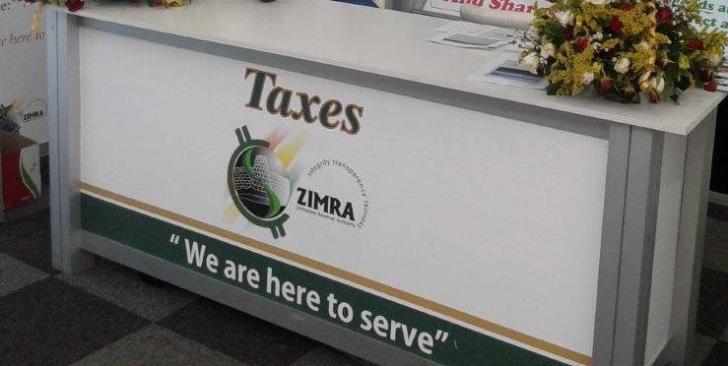
The Standards Development Fund (SDF) is a statutory fund established under the Standards Development Fund Act [Chapter 14:19] of Zimbabwe. It is administered by the Ministry of Industry and Commerce, with collection and compliance oversight handled by the Zimbabwe Revenue Authority (ZIMRA).
The SDF’s main objective is to finance the development, promotion, and enforcement of national standards through the Standards Association of Zimbabwe (SAZ) and other related institutions.
Purpose of the SDF Levy
The SDF Levy exists to:
- Fund research and development of national standards
- Support training and certification programs for manufacturers and service providers
- Promote quality assurance and product safety
- Align local standards with international benchmarks
- Support export competitiveness through compliance with global norms
In essence, the levy ensures Zimbabwean products can compete regionally and globally, while also protecting consumers and the environment.
Legal Framework
The key pieces of legislation governing the SDF Levy include:
- Standards Development Fund Act [Chapter 14:19]
- Finance Act
- Income Tax Act (for classification of qualifying employers)
- SI 101 of 2011 and subsequent statutory instruments
The levy is mandatory for qualifying employers and is treated similarly to other statutory contributions such as PAYE and NSSA.
Who Pays the SDF Levy?
The SDF Levy is payable by all employers in Zimbabwe, with very few exceptions. If you employ staff and remit PAYE to ZIMRA, you are generally liable for the SDF Levy.
Common Employers Required to Pay:
- Manufacturing companies
- Retailers and wholesalers
- Financial institutions
- Hospitality and tourism companies
- NGOs and private schools
- Government parastatals
- Transport and logistics firms
How is the SDF Levy Calculated?
The SDF Levy is calculated as 0.5% (half a percent) of the gross wage bill of an employer for each month.
Formula:
SDF Levy = 0.5% × Total Gross Monthly Wages
Gross wages include:
- Basic salaries
- Allowances (housing, transport, etc.)
- Bonuses and commissions
- Overtime
- Fringe benefits
Example Calculation:
If your company’s gross payroll for April is USD 20,000:
SDF Levy = 0.005 × 20,000 = USD 100
Payment Frequency and Due Dates
The SDF Levy must be remitted monthly, similar to PAYE and NSSA.
Payment Deadlines:
- The levy is due on or before the 10th of the following month.
- Late payments attract penalties and interest.
Employers must use the ZIMRA tax platform (ZIMRA eServices) to process their monthly remittances.
How to Register for SDF Levy
If your business is newly registered or hiring employees for the first time, you must:
- Register with ZIMRA as an employer.
- Include the SDF Levy obligation in your tax head profile.
- Obtain a Business Partner Number (BPN) from ZIMRA.
- Set up a monthly payroll to calculate PAYE, NSSA, and SDF contributions.
- Submit monthly returns through ZIMRA’s eServices Portal.
Penalties for Non-Compliance
Failure to comply with SDF Levy obligations can result in:
- Penalties of up to 100% of the unpaid levy
- Interest on overdue payments
- Audits and legal proceedings by ZIMRA
- Non-clearance on Tax Clearance Certificate (ITF263)
Many businesses are caught unaware during tax audits or when applying for tenders, as the SDF Levy must be up-to-date for ZIMRA to issue a tax clearance.
SDF and Tax Compliance
Being compliant with SDF payments is essential for:
- Receiving your annual ITF263 Tax Clearance Certificate
- Participating in public tenders and procurement
- Opening or renewing business licenses
- Applying for import/export permits
- Receiving foreign currency allocations
In short, your SDF status affects your ability to do business legally and competitively in Zimbabwe.
Strategic Benefits to Businesses
Although seen as an extra cost by many employers, the SDF Levy provides tangible and long-term benefits:
1. Access to Updated National Standards
Contributors benefit from standards developed and updated by SAZ in areas such as food safety (e.g., ZWS ISO 22000), manufacturing (e.g., ZWS 371), and construction.
2. Enhanced Product Quality
Higher standards translate to better products, increasing customer satisfaction and brand reputation.
3. Export Market Access
Products that comply with national and international standards are more likely to gain access to regional and global markets, especially under AfCFTA and SADC trade protocols.
4. Reduction in Technical Barriers to Trade
SDF-funded initiatives reduce non-tariff barriers such as product rejection or additional testing in foreign markets.
5. Training and Capacity Building
Funds are used to train manufacturers, SMEs, and service providers in quality control, standard implementation, and ISO certifications.
Role of the Standards Association of Zimbabwe (SAZ)
The Standards Association of Zimbabwe (SAZ) is the main beneficiary and implementing partner of the SDF. SAZ uses the funds to:
- Develop and revise national standards
- Facilitate industry training workshops
- Conduct product certification
- Engage in consumer awareness campaigns
SAZ also liaises with international standardization bodies such as ISO, ASTM, and IEC.
You can learn more about their programs and standards at saz.org.zw.
Exemptions from SDF Levy
There are limited cases where businesses may be exempt from paying the levy. These include:
- Companies without employees
- Dormant businesses
- Foreign missions and diplomatic entities (subject to reciprocity agreements)
- Certain donor-funded humanitarian projects
To confirm exemption status, consult ZIMRA or your tax advisor, and obtain a formal exemption ruling in writing.
Integration with Payroll Systems
Modern payroll systems used in Zimbabwe (like Belina Payroll, PayDay, and SAP HR) now come with automated SDF calculation modules. This helps businesses:
- Automate monthly calculations
- Generate ZIMRA-compliant reports
- Avoid underpayment or overpayment errors
Integration ensures accuracy and compliance, especially for growing firms with dynamic payrolls.
Common Challenges
Despite its benefits, businesses face a few challenges with SDF Levy compliance:
- Lack of awareness, especially among SMEs
- Manual payroll systems leading to miscalculations
- Delayed ZIMRA registrations
- Failure to distinguish SDF from other levies like NSSA or NEC contributions
Regular tax training and consultation with chartered accountants or tax consultants can help avoid these pitfalls.
Recommendations for Employers
To remain compliant and avoid costly penalties:
- Register with ZIMRA as an employer as soon as staff are hired
- Include SDF Levy in monthly payroll routines
- Automate with payroll software or accounting systems
- Submit monthly returns before the 10th
- Reconcile with ZIMRA quarterly to resolve any discrepancies
Conclusion
The Standards Development Fund Levy in Zimbabwe is more than just a statutory obligation—it’s a strategic investment in quality, competitiveness, and long-term business sustainability. By contributing just 0.5% of your payroll, you help develop national standards that align Zimbabwe’s industries with global practices, open up export opportunities, and improve product integrity.
As Zimbabwe pursues industrialization and export-driven growth, understanding and complying with the SDF Levy is essential for businesses aiming to scale and succeed.