Introduction
Poultry farming has become one of the fastest-growing agribusiness ventures in Zimbabwe. Whether you’re in Harare, Bulawayo, Gweru, or a rural community, the demand for chicken meat and eggs continues to rise every year.
As more Zimbabweans shift toward locally produced food, poultry offers a great opportunity to earn income, create jobs, and contribute to food security. The best part? You can start small — even with just 50 to 100 birds — and gradually expand.
This comprehensive guide walks you through everything you need to know about starting a profitable poultry business in Zimbabwe, from choosing your type of birds to marketing your products.
1. Understanding Poultry Farming
Poultry farming involves raising domesticated birds such as chickens, ducks, or turkeys for their meat and eggs. In Zimbabwe, the most common types of poultry are:
- Broilers – Raised for meat; ready for sale in 5 to 7 weeks.
- Layers – Raised for eggs; start laying after 18–20 weeks.
- Free-range (road-runner) chickens – More traditional and popular in rural and organic markets.
Each category has different feeding costs, management styles, and profit margins. Most beginners start with broilers because of their quick turnover.
2. Why Poultry Farming Is Profitable in Zimbabwe
Here’s why poultry farming continues to attract new entrepreneurs:
- High Demand: Chicken meat and eggs are staple foods across Zimbabwean households.
- Low Startup Capital: You can start small and scale up.
- Quick Returns: Broilers mature within 6–7 weeks, offering fast cash flow.
- Employment Creation: You can hire locals to assist with feeding, cleaning, and sales.
- Easy to Manage: With proper training, even beginners can run small operations successfully.
3. Choosing the Right Type of Poultry Business
Before you start, decide which type of poultry venture you want to pursue:
- Broiler Production: Focuses on rearing birds for meat.
- Layer Production: Focuses on egg production and sales.
- Dual Purpose: Combines both meat and egg production.
- Free-Range or Indigenous Chickens: Targets traditional or health-conscious consumers.
Your choice will depend on your budget, location, and market demand in your area.
4. Selecting the Right Location
Location is critical for poultry success. Choose an area that meets these conditions:
- Good road access for feed delivery and chicken transport.
- Reliable water supply for drinking and cleaning.
- Adequate ventilation and sunlight.
- Away from residential areas to avoid odor complaints.
- Safe and secure environment to protect against theft and predators.
If you’re operating from home, make sure to follow your local council’s health and zoning regulations.
5. Poultry Housing and Equipment
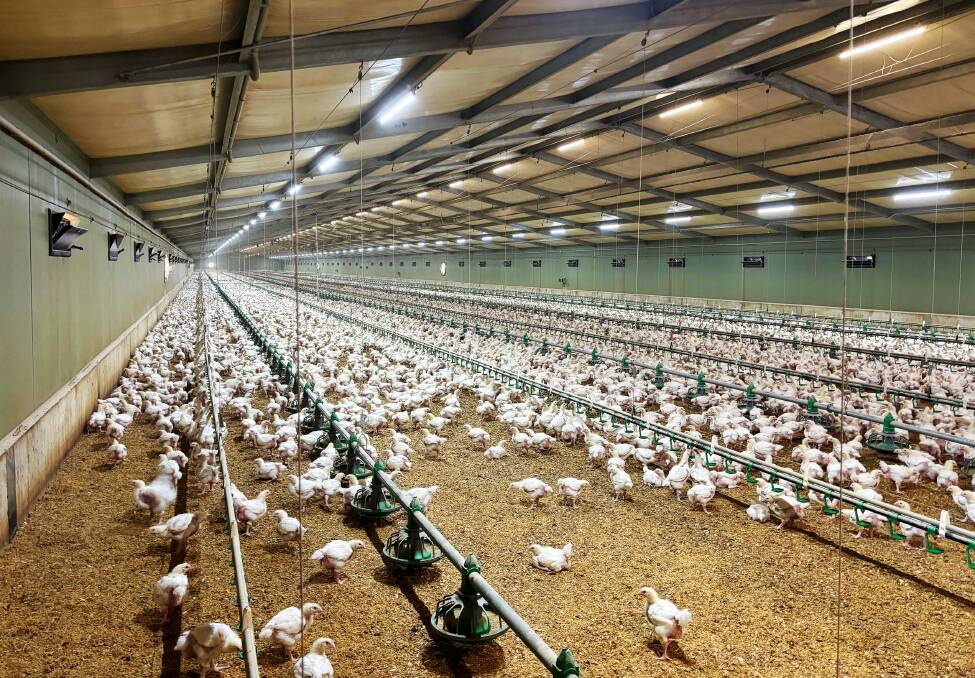
The design of your chicken house affects growth and productivity.
For small to medium-scale farms:
- Deep litter system: Use sawdust or wood shavings on the floor.
- Ventilation: Ensure air movement to reduce disease.
- Temperature control: Especially important for broilers and chicks.
Basic equipment you’ll need:
- Feeders and drinkers
- Brooders (heat source for chicks)
- Lighting (for warmth and visibility)
- Nest boxes (for layers)
- Water storage tank
Proper housing reduces mortality and improves feed conversion efficiency.
6. Buying the Right Day-Old Chicks
Your success begins with quality chicks. Always buy from reputable hatcheries such as Irvines, Lunar Chickens, Novatek, or Hamara.
When buying:
- Check that chicks are active, clean, and vaccinated.
- Avoid chicks that are weak or have deformities.
- Transport them carefully in ventilated boxes to avoid stress.
A poor batch of chicks can destroy profitability — always prioritize quality over price.
7. Feeding and Nutrition
Feed makes up about 70% of total production costs, so it’s crucial to manage it wisely.
Common feeds include:
- Starter feed (first 3 weeks)
- Grower feed (weeks 4–5)
- Finisher feed (weeks 6–7 for broilers)
- Layers mash (for egg-laying hens)
Use reputable feed brands like Novatek, National Foods, or Profeeds.
You can reduce costs by mixing your own feed — but only after getting expert advice from a qualified nutritionist to avoid nutrient imbalances.
8. Health Management and Biosecurity
Disease is one of the biggest threats to poultry farming. To minimize risks:
- Keep the poultry house clean and dry.
- Disinfect equipment regularly.
- Limit visitors and require footbaths at entry points.
- Vaccinate birds according to the national poultry schedule (e.g., Newcastle, Gumboro).
- Quarantine new birds before mixing them with your existing flock.
Work with a local veterinary officer or agriculture extension officer to monitor flock health and vaccination timelines.
9. Record Keeping and Cost Management
Professional record keeping helps you track profits and identify problem areas.
Keep daily records of:
- Feed consumption
- Bird mortality
- Egg production (for layers)
- Expenses and sales
Monitoring these details helps improve efficiency and profitability. Many farmers fail simply because they don’t monitor their numbers.
10. Marketing Your Poultry Products
No business succeeds without customers. Here’s how to market effectively:
- Sell to local markets – butcheries, restaurants, tuck shops, or community members.
- Form partnerships with schools, hotels, and hospitals.
- Use social media – advertise on WhatsApp, Facebook, or Instagram.
- Offer delivery services – convenience attracts loyal customers.
Branding your poultry products with proper packaging, hygiene, and professionalism will set you apart from competitors.
11. Estimating Startup Costs and Profits
Here’s a rough guide for a small broiler project of 100 birds:
Item
Estimated Cost (USD)
Day-old chicks
100
Feed (starter to finisher)
250
Vaccines and medication
30
Electricity and heating
20
Litter, feeders, drinkers
50
Miscellaneous
50
Total Investment
≈ $500
After 6–7 weeks, you can sell each mature broiler for about $7–$9 depending on weight and market prices.
This gives potential gross revenue of $700–$900, producing a net profit of $150–$300 per cycle, which can double as you scale up.
12. Common Mistakes to Avoid
- Starting without training: Learn basic poultry management first.
- Poor housing: Inadequate ventilation or overcrowding increases disease.
- Skipping vaccinations: Leads to mass losses.
- Overfeeding or underfeeding: Reduces growth performance.
- Lack of records: Makes it difficult to measure profit or loss.
Take time to learn and prepare before scaling up your operations.
13. Opportunities in Poultry Value Addition
Beyond raising chickens, you can expand into other profitable areas such as:
- Chicken processing and packaging.
- Feed production.
- Poultry manure sales as fertilizer.
- Egg hatching and chick supply.
- Catering or fast-food services.
Value addition allows you to diversify income and build a sustainable agribusiness.
14. Legal and Regulatory Requirements
While small home-based farmers may start informally, larger poultry operations must comply with:
- Local council by-laws for land use.
- Environmental Management Agency (EMA) standards for waste disposal.
- Zimbabwe Agricultural Society (ZAS) or AGRITEX guidelines.
Registration improves credibility, access to loans, and business growth opportunities.
15. Final Thoughts
Poultry farming in Zimbabwe is one of the best small-scale businesses to start — whether you’re a beginner or an experienced farmer looking to diversify.
With proper management, biosecurity, and marketing, poultry can turn into a full-time income source or family enterprise.
Start small, learn continuously, and reinvest your profits. With dedication and consistency, your poultry business can grow from a backyard project into a sustainable agribusiness supplying major markets across Zimbabwe.