
Introduction
Selecting the right accounting software is a critical decision for any Zimbabwean business, whether you’re a small startup, an established SME, or a growing enterprise. The right solution can streamline your finances, ensure compliance with local regulations, and provide real-time insights for smarter decision-making. But with so many options available, what features should you prioritize? This article explores the top features to look for in Zimbabwean accounting software to help you make an informed choice.
ZIMRA Compliance and Local Tax Support
One of the most important features for any accounting system in Zimbabwe is compliance with the Zimbabwe Revenue Authority (ZIMRA) requirements. Your software should be able to:
- Calculate and process VAT, PAYE, and other local taxes accurately
- Generate ZIMRA-compliant invoices and tax reports
- Support easy submission of statutory returns
This ensures your business avoids penalties and stays on the right side of the law.
User-Friendly Interface
Accounting software should simplify your work, not complicate it. Look for:
- An intuitive dashboard with easy navigation
- Simple data entry forms
- Clear, step-by-step workflows for common tasks
A user-friendly system reduces training time and minimizes errors, especially for teams with limited accounting experience.
Automation of Routine Tasks
Modern accounting software should automate repetitive processes such as:
- Bank reconciliations
- Invoice generation and reminders
- Payroll calculations and statutory deductions
- Recurring billing and expenses
Automation saves time, reduces the risk of human error, and allows your team to focus on more strategic activities.
Robust Security Features
With cyber threats on the rise, protecting your financial data is crucial. The best Zimbabwean accounting software offers:
- Data encryption
- Multi-factor authentication
- User access controls and permissions
- Regular security updates and backups
Security features help safeguard sensitive business information from unauthorized access or data loss.
Comprehensive Reporting and Analytics
Your accounting software should provide a range of customizable reports, including:
- Profit and loss statements
- Balance sheets
- Cash flow reports
- Tax summaries
- Budget vs. actual analysis
Advanced analytics and real-time dashboards empower you to make informed business decisions and identify trends early.
Integration with Other Business Systems
Choose software that can seamlessly integrate with:
- Payroll and HR systems
- Inventory management tools
- Banking platforms for automated reconciliations
- Point of Sale (POS) systems
Integration streamlines operations, reduces duplicate data entry, and supports business growth.
Scalability and Flexibility
As your business grows, your accounting needs will evolve. Look for accounting software that:
- Supports multiple users and branches
- Handles multi-currency transactions (important in Zimbabwe’s diverse economic environment)
- Offers modular features so you can add functionality as needed
Scalable solutions ensure you won’t outgrow your system as your business expands.
Cloud-Based Access and Mobility
Cloud-based accounting software is becoming increasingly popular in Zimbabwe due to its flexibility and convenience. Key benefits include:
- Access your accounts from anywhere, anytime
- Real-time data synchronization across devices
- Automatic software updates and backups
Cloud solutions are ideal for businesses with remote teams or multiple locations.
Local Support and Training
Reliable customer support is essential, especially during setup and tax season. Choose a vendor that offers:
- Local support channels (phone, email, chat)
- Onsite or virtual training sessions
- Comprehensive help resources and user guides
Local support ensures you get timely assistance tailored to the Zimbabwean business environment.
Affordability and Transparent Pricing
Consider the total cost of ownership, including:
- Subscription or license fees
- Implementation and training costs
- Ongoing support and upgrade charges
Opt for software with transparent pricing and no hidden fees, so you can budget confidently.
Popular Accounting Software Options in Zimbabwe
Some leading solutions trusted by Zimbabwean businesses include:
- Sage Pastel Accounting: Known for its local compliance and robust features.
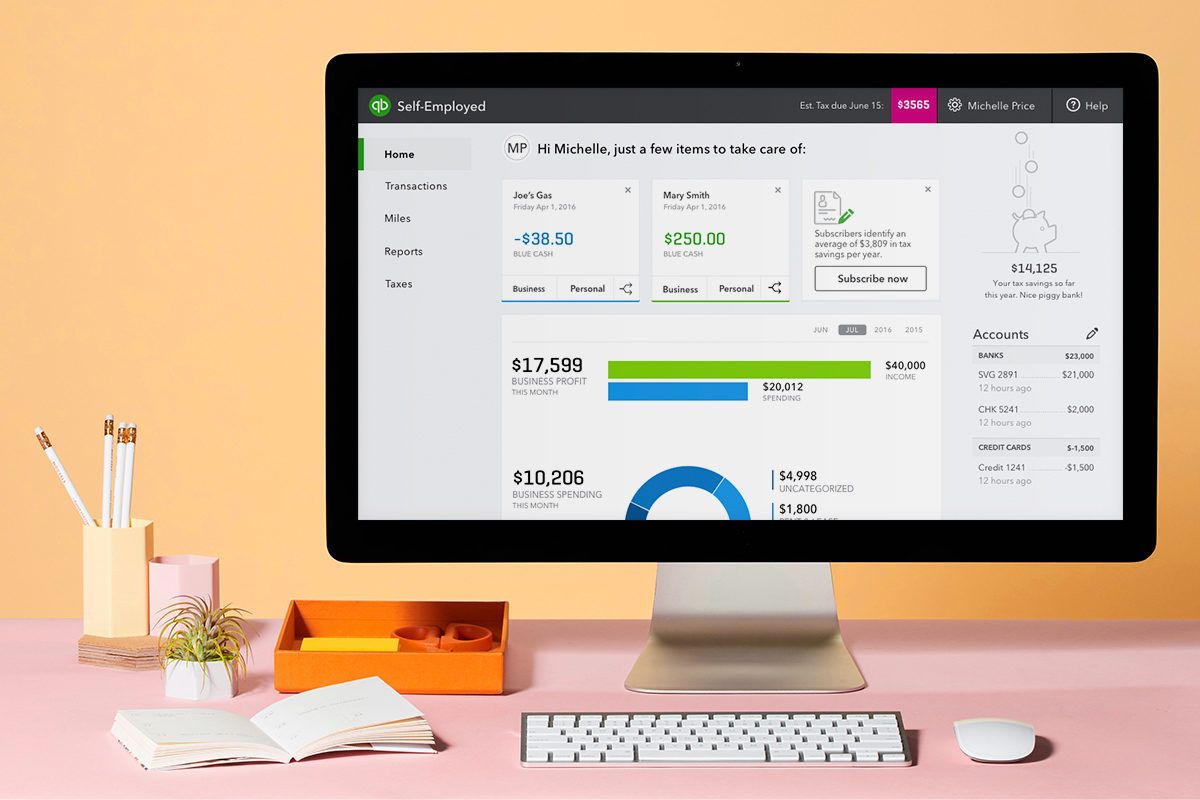
- QuickBooks Online: Offers user-friendly interfaces and integration capabilities.
- Xero: Popular for cloud-based access and automation.
- Local custom solutions: Tailored for Zimbabwean tax and business needs.
Conclusion
Choosing the best accounting software for your Zimbabwean business means prioritizing features that support compliance, automation, security, and growth. By focusing on ZIMRA compliance, user-friendliness, automation, integration, and local support, you can select a system that streamlines your finances and positions your business for long-term success.