Introduction
This article is a guide on how to effectively use Sage Patel for financial management focusing mostly on Zimbabwe. In the rapidly evolving economic landscape of Zimbabwe, efficient financial management is no longer a luxury but a necessity for business survival and growth. From small enterprises to large corporations, businesses must remain agile, compliant, and transparent in their financial operations. This has led many Zimbabwean companies to embrace digital solutions like Sage Pastel, a leading Sage accounting software tailored for small to medium-sized enterprises (SMEs) across Africa.
Sage Pastel Zimbabwe offers a comprehensive suite of tools to streamline bookkeeping, taxation, and compliance, making it a valuable asset in a complex regulatory and economic environment. This article explores how Sage Pastel is transforming financial management in Zimbabwean businesses through its specialized modules.
Bookkeeping Made Simple with Sage Pastel
Bookkeeping is the cornerstone of sound financial management. In Zimbabwe, where businesses often grapple with currency fluctuations, inflation, and multiple tender systems (USD, ZWL, and sometimes Rand), maintaining accurate financial records is a challenge. Sage Pastel Zimbabwe helps businesses tackle this by automating essential bookkeeping tasks and offering multi-currency support.
The core bookkeeping features of Sage Pastel include:
- General Ledger: This module enables businesses to track every financial transaction, offering real-time access to trial balances, ledgers, and financial statements. With built-in audit trails, business owners can ensure data integrity and transparency—critical for audits and investment readiness.
- Accounts Payable and Receivable: Sage Pastel allows businesses to manage vendor and customer accounts efficiently. Users can set payment terms, automate invoice reminders, and track outstanding balances, helping to improve cash flow—an ongoing concern for many Zimbabwean businesses.
- Bank Reconciliation: Manual bank reconciliations are prone to error, especially in a volatile banking environment. Sage’s bank reconciliation module imports bank statements and automates the matching process, saving time and minimizing discrepancies.
- Inventory Management: While not purely bookkeeping, Sage Pastel’s inventory module is closely integrated with accounting. It helps businesses manage stock movements, valuation, and cost of goods sold, offering a complete picture of profitability and reducing wastage.
By automating these tasks, Sage Pastel reduces the administrative burden on finance teams, allowing them to focus on strategic decisions rather than data entry and error correction.
Navigating Zimbabwean Taxation with Sage Pastel
Zimbabwe’s tax landscape is known for its complexity and frequent policy changes. Businesses must comply with multiple tax types, including VAT, PAYE, Corporate Income Tax, Capital Gains Tax, and various sector-specific levies. Staying compliant without automation can be daunting.
Sage Pastel simplifies tax management through the following features:
- Automated VAT Calculation and Reporting: Zimbabwe operates a VAT system with regular submission requirements to ZIMRA. Sage Pastel automates VAT calculations based on configured tax rates and generates VAT201 reports in a ZIMRA-compliant format. It also manages input and output VAT to help businesses avoid over- or under-reporting.
- PAYE and Payroll Integration: Sage offers payroll integration that aligns with Zimbabwe’s PAYE regulations. The software automatically computes employee tax, social security (NSSA), and other statutory deductions like AIDS levy. This reduces the risk of non-compliance and ensures timely remittance.
- Tax Return Preparation: Sage Pastel’s reporting modules generate tax-ready financial statements and summaries that make it easier for businesses to prepare quarterly and annual returns. This is especially helpful in reducing the workload during ZIMRA audits.
- Currency Support: Sage’s ability to handle multiple currencies is invaluable for taxation in Zimbabwe, where some taxes must be paid in USD while others may be assessed in local currency. The software maintains dual ledgers and applies real-time exchange rates to ensure accurate tax reporting.
With these capabilities, Sage Pastel is not just a bookkeeping tool but a powerful tax compliance engine that helps Zimbabwean businesses avoid penalties and maintain good standing with the authorities.
Compliance and Financial Reporting in Zimbabwe
In Zimbabwe, compliance extends beyond tax. Companies must file annual returns with the Companies and Intellectual Property Office (CIPO), prepare financial statements in accordance with IFRS or IFRS for SMEs, and maintain internal controls to meet governance expectations. Sage Pastel supports these requirements in several ways:
- IFRS-Compliant Reports: Sage Pastel enables the generation of financial statements aligned with international standards. This includes income statements, balance sheets, cash flow statements, and notes to accounts. These are crucial for annual audits, investor relations, and bank loan applications.
- Audit Trails and Security: Each financial transaction in Sage Pastel is logged with user and timestamp data. This audit trail is essential in detecting fraud, ensuring internal accountability, and passing compliance checks.
- Role-Based Access: The software allows user permissions to be customized. Finance teams can limit access to sensitive data while allowing operational staff to perform only the tasks necessary to their roles, reducing the risk of error or fraud.
- Data Backup and Cloud Hosting: Sage Pastel offers both on-premise and cloud-hosted solutions. For businesses that choose cloud hosting, data is automatically backed up and protected against loss—a critical feature in Zimbabwe, where power cuts and system crashes can lead to data corruption.
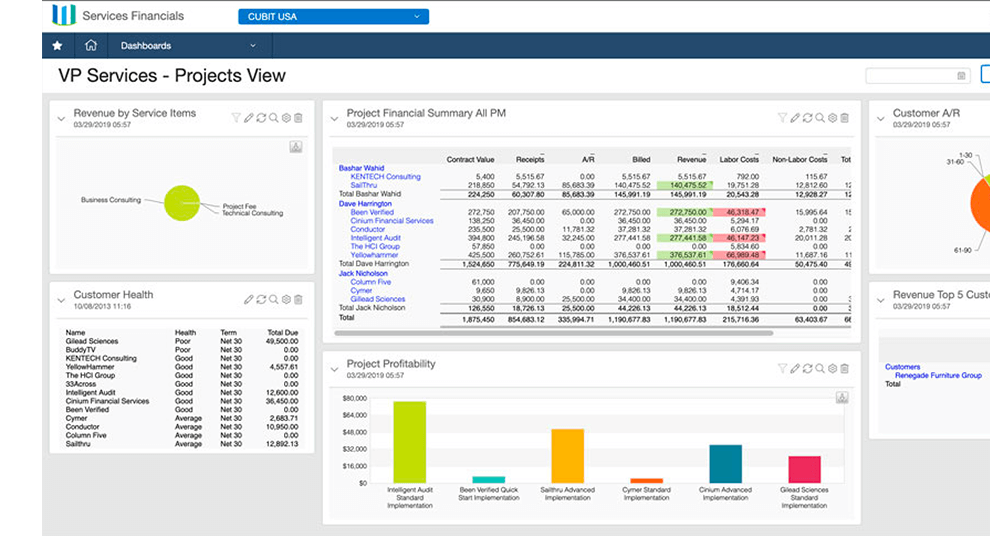
- Real-Time Financial Reporting Zimbabwe: With Sage Pastel, decision-makers have real-time access to dashboards and reports that provide insights into sales, expenses, debtors, and overall business health. This allows for faster responses to financial challenges and opportunities.
Local Support and Customization
Another major advantage of using Sage Pastel Zimbabwe is the strong network of local resellers, consultants, and trainers. This ensures that businesses not only get help setting up the software but also receive localized customization and ongoing support. Many service providers offer setup aligned with local chart of accounts, tax codes, and industry-specific needs such as retail, manufacturing, or agriculture.
Conclusion
As Zimbabwe continues its journey toward economic recovery and modernization, tools like Sage accounting software are proving essential for business resilience. Sage Pastel provides a reliable, efficient, and scalable platform for financial reporting in Zimbabwe, offering robust modules for bookkeeping, tax compliance, and regulatory adherence.
By adopting Sage Pastel, Zimbabwean businesses not only streamline their financial operations but also position themselves for sustainable growth, improved governance, and greater investor confidence. In a business environment where every dollar and data point counts, Sage Pastel is not just an accounting tool—it’s a strategic asset.